
Table of contents
Film faced plywood supports many construction workflows, from concrete formwork to temporary floors and scaffold platforms. Job sites demand different surface behavior, so suppliers deliver two common options: anti silp film faced plywood (many buyers also write anti slip film faced plywood) and normal film faced plywood.
This guide compares both types from a contractor’s perspective: traction, safety, durability, water resistance, reuse cycles, maintenance, and total cost of ownership. If you source panels for construction crews, rental fleets, or infrastructure projects, this article helps you choose the right panel for each task.
What film faced plywood means on a job site
Film faced plywood combines a plywood core with a resin-impregnated paper film, often a phenolic film. Manufacturers press the film onto the panel to protect the surface from moisture, abrasion, and cement paste. Contractors choose film faced plywood because it cleans faster than raw plywood and holds performance longer in wet site conditions.
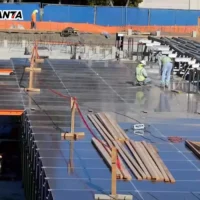
Teams commonly use film faced plywood for:
- Concrete formwork / shuttering for smoother finishes and faster stripping
- Scaffolding boards / walkways for safer movement and stable footing
- Temporary flooring to protect substrates and create cleaner work zones
- Industrial platforms when a project needs durable, cleanable panels
Panel performance comes from the whole system: core construction, glue quality, film quality, press consistency, thickness tolerance, and edge sealing. Film type alone never guarantees durability.
What anti silp (anti slip) film faced plywood is
Anti silp film faced plywood targets traction. Manufacturers emboss a textured pattern into the film—often wire-mesh, hex, or grid textures— so the surface grips better under boots and equipment. Crews benefit most when rain, dust, slurry, or mud would otherwise create a slick surface.
Typical structure
- Textured face: anti-slip embossed film for higher friction
- Reverse face: smooth film or standard film for easier cleaning or formwork use
- Core: hardwood, poplar, birch, or mixed species depending on strength and budget
- Edges: sealed edges to slow water ingress and reduce swelling
SEO note: buyers often search both “anti silp” and “anti slip.” You can include both terms naturally, but keep one consistent product spec sheet.
What normal film faced plywood is
Normal film faced plywood focuses on smooth surfaces. Manufacturers typically laminate smooth film on one or both sides to improve concrete finish quality and speed up release. Formwork teams value this option for walls, columns, slabs, and other pours where a clean face matters more than traction.
Crews often avoid smooth film as a walking deck during wet or dusty work because the surface can turn slick quickly.
Side-by-side comparison
The table below highlights the differences that most buyers track during sourcing and site trials. Your results still depend on film grade, core grade, glue system, edge sealing, and thickness.
| Feature | Anti silp (anti slip) film faced plywood | Normal film faced plywood |
|---|---|---|
| Surface texture | Embossed pattern (mesh / hex / grid) improves grip | Smooth film prioritizes finish and release |
| Main goal | Reduce slip risk on platforms, walkways, and decks | Support formwork performance and smoother concrete surfaces |
| Behavior in wet/dusty conditions | Textured film maintains traction more reliably | Smooth film can feel slick when slurry or dust coats the face |
| Concrete finish | Textured face can imprint; smooth reverse face helps when you use it | Smooth face delivers consistent finish more easily |
| Cleaning effort | Pattern holds debris; crews often brush or wash more thoroughly | Smooth face wipes clean faster |
| Typical cost | Suppliers often price it higher due to embossed film and added processing | Suppliers often price it lower as a standard specification |
Performance differences that matter on site
1) Traction and safety
Traction drives the decision for many projects. Anti silp panels add a high-friction surface so workers keep stable footing during rain, wash-downs, or messy pours. If your crews walk on the panel, the textured film reduces slip risk and helps you maintain safer site routes.
2) Concrete finish and release
Normal film faced plywood supports smooth finishes because crews place a flat, uniform surface against concrete. Anti-slip panels can also support formwork when the sheet includes a smooth reverse face. When you plan dual-use panels, assign the textured face to walking zones and reserve the smooth face for concrete contact.
3) Wear, reuse cycles, and traction loss over time
Reuse cycles depend on core quality, glue lines, edge protection, and handling discipline. Anti-slip textures can lose grip when crews grind the raised pattern with abrasive grit and repeated traffic. You can protect traction by rotating sheets, controlling storage, and avoiding drag damage across rough ground.
- Rotate panels so one sheet doesn’t absorb all traffic
- Store panels off the ground with airflow and a cover
- Choose thickness that matches span and load to reduce flex and film cracking
4) Water resistance and delamination control
Both product types handle wet work when you specify the right glue system and demand sealed edges. Water attacks panel edges first, then migrates into the core. Suppliers who seal edges properly and press consistent glue lines deliver better service life in the field.
- Specify exterior-grade bonding requirements for wet environments
- Demand sealed edges and consistent coating coverage
- Inspect cores for void control and uniform veneer overlap
5) Maintenance and cleanup speed
Smooth film saves labor during cleanup because crews remove concrete paste and dust quickly. Textured film improves safety but holds fine debris in the embossing. If your workflow depends on rapid turnover, factor cleanup time into your total cost evaluation.
Best use cases: which one you should buy
Choose anti silp (anti slip) film faced plywood when:
- You need safer walking and working surfaces on platforms, decks, and access routes
- Your project faces frequent rain, mud, slurry, or wash-down routines
- You operate rental inventory and want a clear safety-grade product line
- You want a dual-face sheet (textured for traffic, smooth for formwork)
Choose normal film faced plywood when:
- You prioritize smooth formwork faces and fast release
- Your crews build mainly vertical formwork where workers don’t walk on the face
- You need a widely available standard panel for general construction tasks
- You want cost efficiency and you don’t require traction features
Many professional buyers split procurement: they source normal film faced plywood for concrete contact and anti silp film faced plywood for platforms and walkways. This approach reduces risk and keeps spending targeted.
Buying checklist for consistent quality
Marketing terms won’t protect your project. Use a specification-driven checklist during supplier comparison and incoming inspection.
Confirm these specifications before you place an order
- Thickness tolerance across multiple points per sheet
- Core species and construction (hardwood/poplar/mixed) plus void control expectations
- Bonding requirement suitable for wet construction environments
- Film type and durability targets (film grade, surface consistency, coating quality)
- Edge sealing method and the number of coats
- Anti-slip pattern type and which side carries the texture
Incoming inspection steps that save money
- Check edges for gaps, thin paint, or exposed veneers
- Scan faces for pinholes, bubbles, or uneven embossing
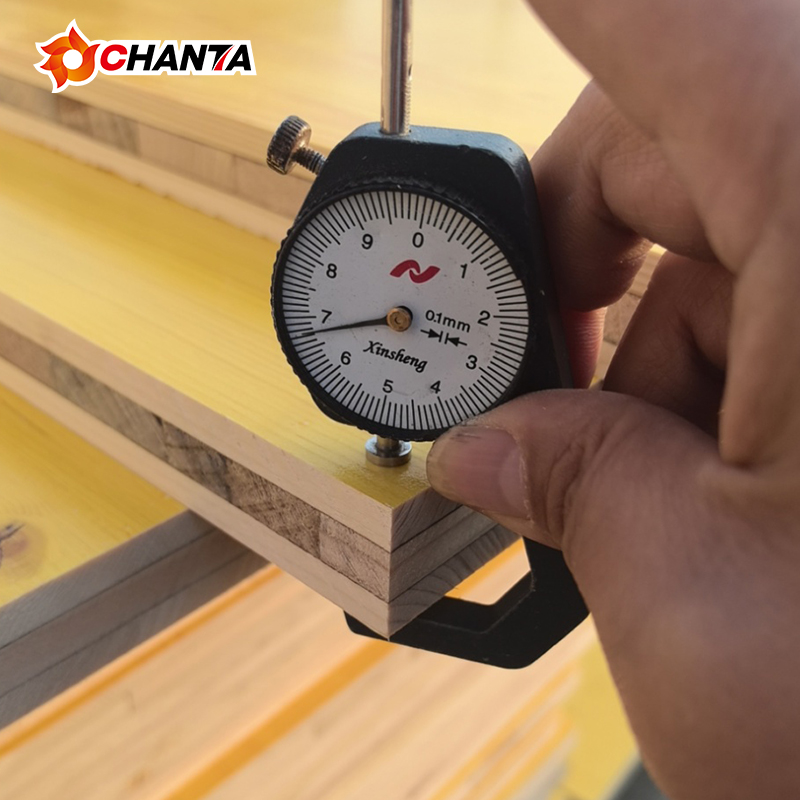
- Measure thickness on several sheets per bundle
- Cut a sample and check for voids and core overlaps
FAQ
Is “anti silp film faced plywood” the same as “anti slip film faced plywood”?
Most listings refer to the same product: a film faced panel with a textured, high-traction face. Many buyers type “anti silp” as a spelling variation. For SEO, you can include both terms naturally, but your spec sheet should define the texture pattern, the textured side, and the intended use.
Can anti-slip film faced plywood work for concrete formwork?
Yes. Use the smooth face when the panel offers a dual-face design. Place the smooth face against concrete to protect finish quality and release speed. Keep the textured face for walking zones and traffic areas.
Does anti-slip film faced plywood always deliver higher strength?
No. Anti-slip describes surface grip, not structural grade. Thickness, core species, veneer build, and glue quality drive strength. When you compare panels, match thickness and core construction before you compare surface type.
Why do some film faced plywood sheets fail early on wet sites?
Water often enters through edges and damaged corners. Poor edge sealing, inconsistent bonding, and core voids accelerate swelling and delamination. You can extend service life when you store sheets off the ground, cover bundles, and avoid edge impacts during handling.
Conclusion
Anti silp film faced plywood and normal film faced plywood solve different job site problems. Anti-slip texture improves footing and helps crews manage wet, dusty, high-traffic conditions. Smooth film supports formwork efficiency and improves finish quality. When you match panel type to the task, you improve safety, protect reuse cycles, and control total cost.




1 Comment