Table of contents
- Benefits of Anti silp film faced plywood
- What anti silp film faced plywood is
- 1. Improved job site safety
- 2. Reliable performance in wet and dirty conditions
- 3. Higher surface durability under foot traffic
- 4. Better water resistance and reduced edge damage
- 5. Versatile use across multiple applications
- 6. Lower total cost of ownership
- 7. Easier alignment with safety management practices
- How to maximize the benefits in real projects
- FAQ
- Conclusion
Benefits of Anti silp film faced plywood
Construction projects demand materials that balance safety, durability, and cost control. Anti silp film faced plywood has become a preferred solution for platforms, scaffolding boards, temporary floors, and access routes because it directly addresses real job site risks.
Many buyers also search for anti slip film faced plywood, which refers to the same anti-slip surface technology. This article explains the key benefits of anti silp film faced plywood from a practical, field-oriented perspective. It focuses on why contractors, rental companies, and project managers choose this material and how it delivers long-term value.
What anti silp film faced plywood is
Anti silp film faced plywood combines a plywood core with a resin-impregnated phenolic film. Manufacturers emboss a textured pattern—such as wire mesh, hexagon, or grid—into the film surface. This texture increases friction and helps workers maintain stable footing during daily operations.
Unlike standard smooth film faced plywood, this product targets environments where moisture, dust, slurry, and heavy foot traffic create slip hazards. The benefits extend beyond surface grip and influence safety management, durability, and total project cost.
1. Improved job site safety
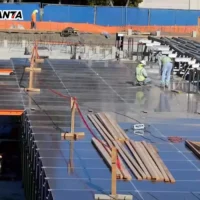
The most important benefit of anti silp film faced plywood is improved safety. Construction sites expose workers to rain, concrete slurry, mud, oil, and fine dust. Smooth surfaces can turn slippery within minutes.
The embossed anti-slip film increases friction under boots and equipment. Workers gain better footing when they walk across platforms, scaffold decks, and access routes. This improvement helps reduce slips, falls, and near-miss incidents.
Safer walking surfaces also support stronger site safety culture. Project managers can define clear walk zones and working platforms without adding extra anti-slip mats or coatings.
2. Reliable performance in wet and dirty conditions
Anti silp film faced plywood performs consistently in environments where water and debris are unavoidable. Rain, curing water, and wash-down routines often leave surfaces wet. Dust and sand settle quickly on construction decks.
The textured film helps channel water away from contact points and prevents smooth sliding. Even when the surface becomes dirty, the raised pattern maintains usable traction. This advantage makes the material suitable for outdoor projects, infrastructure work, and long-term site exposure.
3. Higher surface durability under foot traffic
Anti silp film faced plywood handles repeated foot traffic better than raw plywood and painted boards. The phenolic film protects the surface from abrasion, impact, and cement paste.
While heavy traffic can polish the raised texture over time, the film still protects the core beneath. With correct thickness selection and proper handling, panels retain usable traction across multiple project cycles.
Rental companies value this durability because panels maintain functional performance across repeated deployments.
4. Better water resistance and reduced edge damage
Anti silp film faced plywood often works in semi-exposed or fully outdoor conditions. The phenolic film slows water absorption through the surface. Properly sealed edges further reduce moisture entry into the core.
When buyers specify exterior-grade bonding and consistent edge sealing, panels resist swelling, delamination, and early rejection. This resistance becomes especially valuable during long rainy seasons or infrastructure projects.
Water resistance depends on full panel construction. Buyers should always verify glue type, press quality, and edge sealing rather than rely on surface film alone.
5. Versatile use across multiple applications
Anti silp film faced plywood supports a wide range of construction applications. Many panels use a dual-face design, with one anti-slip surface and one smooth film surface.
- Scaffolding boards: safer walking and working surfaces
- Temporary platforms: stable decks for equipment and materials
- Access ramps: improved grip for workers and carts
- Formwork support: smooth reverse face when required
This versatility allows contractors to reduce the number of different materials on site. Fewer material types simplify logistics, storage, and training.
6. Lower total cost of ownership
Anti silp film faced plywood may cost more per sheet than standard smooth film faced plywood. However, the total cost of ownership often tells a different story.
| Cost factor | Anti silp film faced plywood | Standard plywood alternatives |
|---|---|---|
| Safety accessories | Reduced need for extra anti-slip mats | Often required to control slip risk |
| Reuse cycles | Longer with correct handling | Shorter due to surface damage |
| Maintenance labor | Moderate cleaning effort | Frequent repainting or replacement |
| Incident risk | Lower due to improved traction | Higher on wet or dusty surfaces |
When buyers evaluate safety impact, reuse potential, and reduced downtime, anti silp film faced plywood often delivers better long-term value.
7. Easier alignment with safety management practices
Many construction companies operate under strict internal safety systems. Anti silp film faced plywood supports these systems by providing a built-in safety feature.
Site managers can define approved walking zones and working platforms without adding secondary treatments. This clarity improves compliance and simplifies inspections.
How to maximize the benefits in real projects
- Select thickness based on span and expected load
- Choose a core material that matches structural requirements
- Specify exterior-grade bonding for wet environments
- Inspect edge sealing on delivery
- Rotate panels to distribute wear evenly
- Store panels off the ground with airflow and cover
These practices help maintain traction, extend service life, and protect your investment.
FAQ
Is anti silp film faced plywood different from anti slip film faced plywood?
No. Both terms usually describe the same anti-slip surface concept. “Anti silp” appears as a common spelling variation in the market. Buyers should focus on film texture, thickness, and core quality rather than the wording.
Does anti silp film faced plywood eliminate slip risk completely?
No material can eliminate risk entirely. Anti-slip film improves traction, but safe performance still depends on correct installation, proper support spacing, and regular housekeeping.
Can I use anti silp film faced plywood indoors?
Yes. Many projects use it indoors for temporary floors and protected work zones. The anti-slip surface helps control dust-related slip risk during interior construction phases.
Conclusion
The benefits of anti silp film faced plywood extend far beyond surface texture. Improved safety, reliable wet performance, strong durability, and lower long-term cost make it a practical choice for demanding construction environments. When buyers specify the right thickness, core, and bonding system, anti silp film faced plywood delivers consistent value across multiple projects.