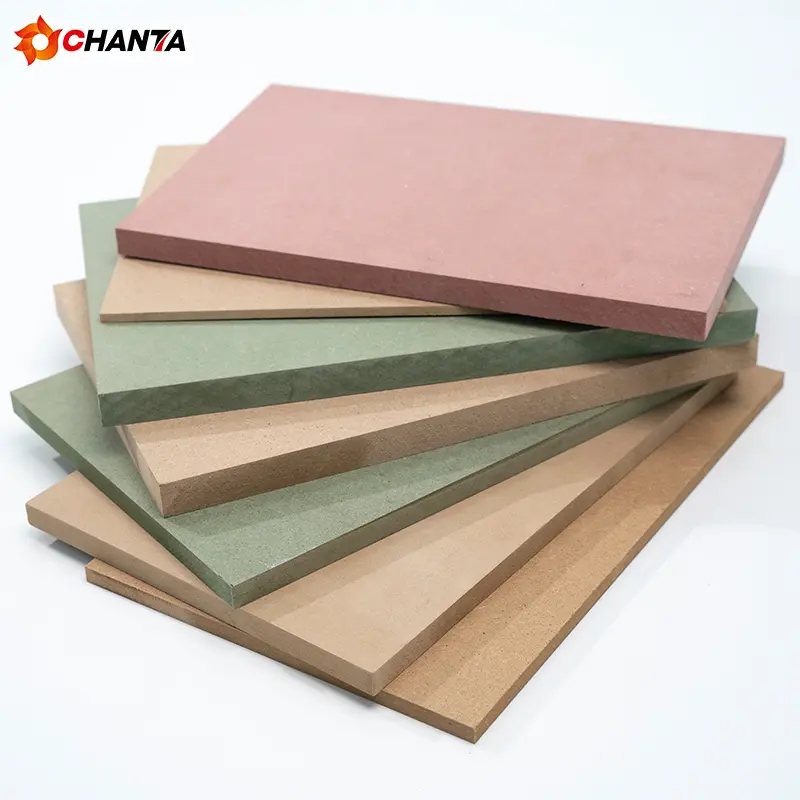
When You Should Not Use MDF
MDF works well in many furniture and interior applications, but it does not fit every situation. Buyers who use MDF in the wrong environment or for the wrong purpose often face swelling, joint failure, and early product damage. This guide explains when buyers should not use MDF and what problems…
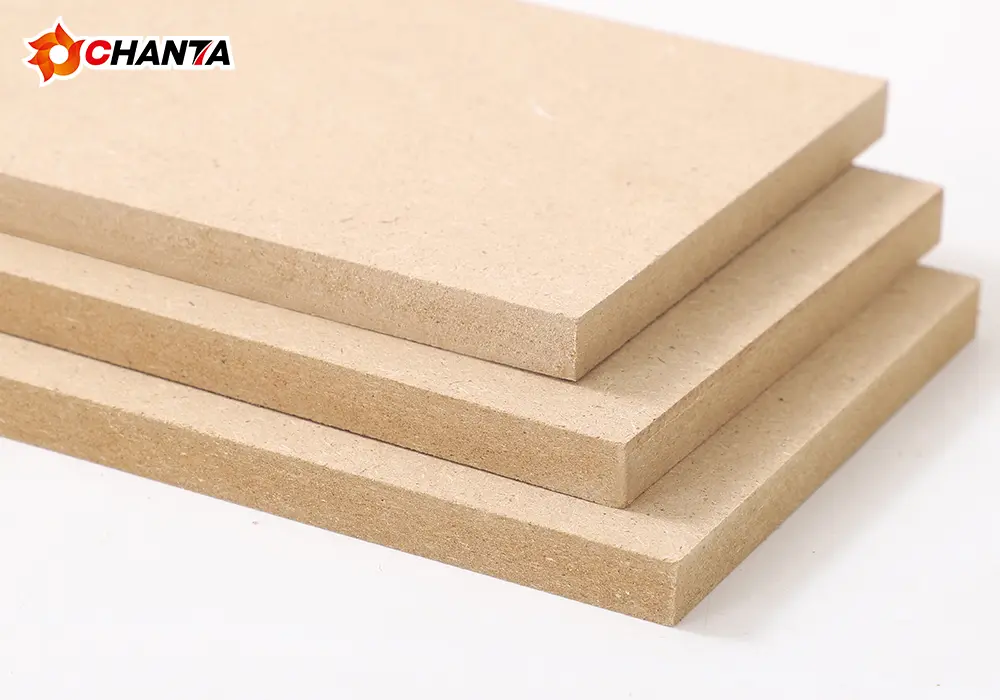
E0 vs E1 MDF: What Buyers Should Know About Emissions and Safety
Formaldehyde emission levels play an important role in MDF purchasing decisions. Many buyers see E0 and E1 grades listed in quotations, but they often feel unsure about what these labels really mean and how much difference they make in real use. This article explains the difference between E0 and E1…

What Is the Density of MDF? Why It Matters for Furniture and Cabinets
MDF density plays a major role in how the board performs in real applications. Many buyers focus on thickness and surface finish, but density directly affects strength, weight, screw holding, and long-term durability. This article explains what MDF density means, typical density ranges, and how buyers choose the right density…

MDF Thickness Guide: How Thick Should MDF Be for Different Uses?
Choosing the right MDF thickness plays a major role in product quality, cost control, and long-term performance. Many buyers understand MDF surface advantages but feel uncertain about thickness selection. Too thin leads to weak panels, while too thick increases cost and weight. This guide explains common MDF thickness options and…
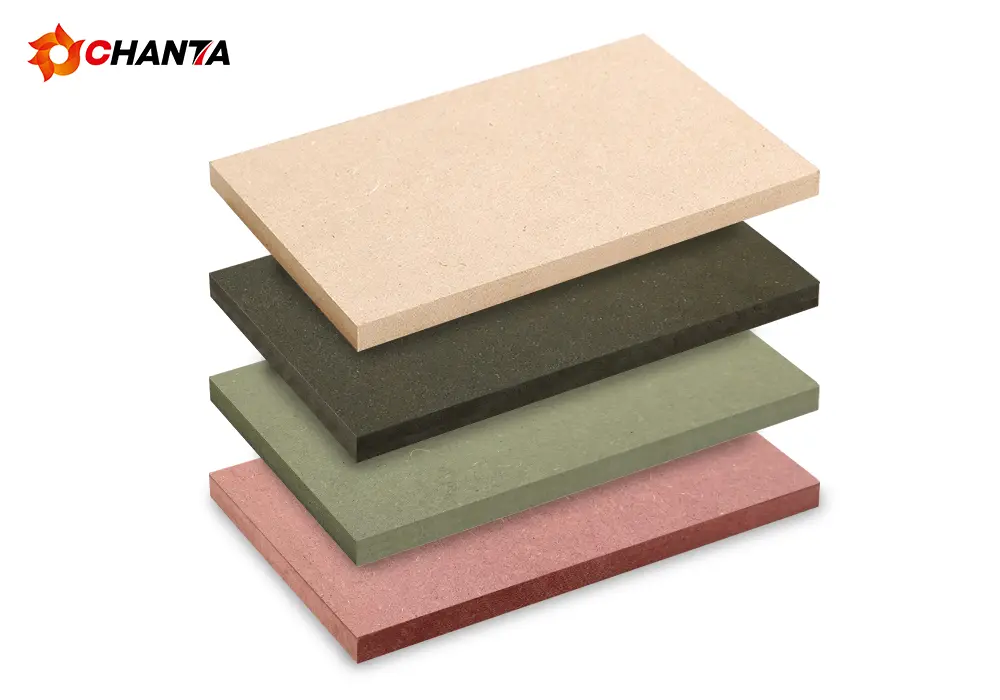
What Is MDF? A Simple Explanation for Buyers
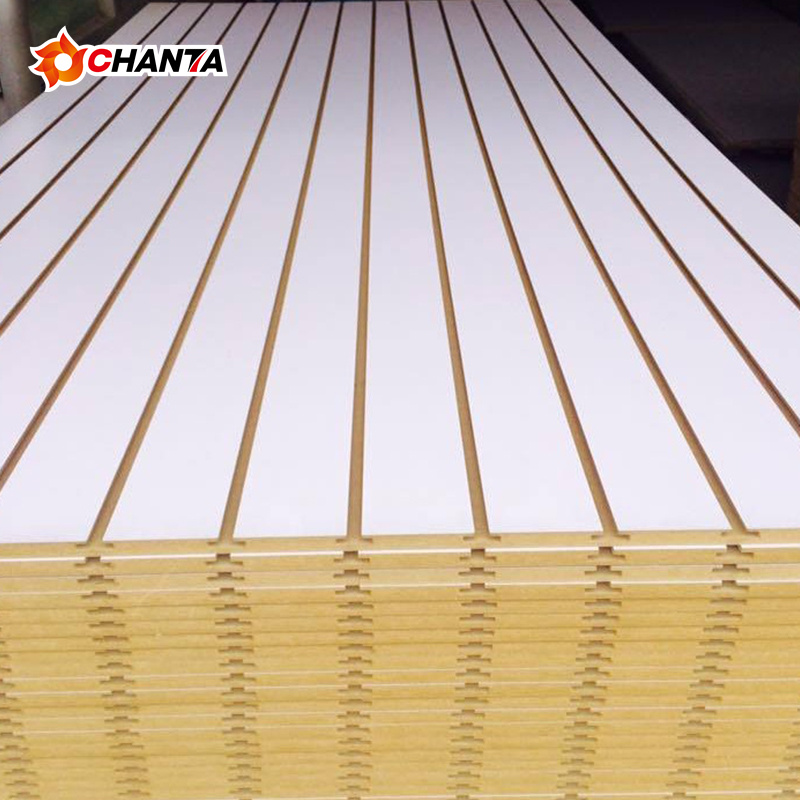
MDF appears in a wide range of furniture and interior products around the world. Buyers often consider MDF because it offers smooth surfaces, stable quality, and competitive pricing. However, many buyers still ask a basic but important question before placing orders: what exactly is MDF, and when does it make…

What Glue Is Used in Commercial Plywood?
Glue plays a critical role in commercial plywood performance. While buyers often focus on thickness, core type, or surface grade, adhesive choice directly affects bonding strength, moisture resistance, durability, and formaldehyde emissions. Understanding what glue manufacturers use in commercial plywood helps buyers select the right board for furniture, cabinets, and…

Is Poplar Core Plywood Strong Enough for Cabinets?
Poplar core plywood appears in a large percentage of commercial cabinet projects. Many cabinet manufacturers choose it because it offers lower weight and better cost control. However, buyers often ask a critical question before confirming orders: is poplar core plywood strong enough for cabinets? This article answers that question from…

Poplar Core or Eucalyptus Core Plywood: Which One Fits Your Furniture Project Better?
When buyers source commercial plywood, core material often becomes the key decision factor. Poplar core plywood and eucalyptus core plywood represent two of the most common options in the market. Each core type delivers different strength, weight, cost, and performance characteristics. This guide compares poplar core plywood and eucalyptus core…
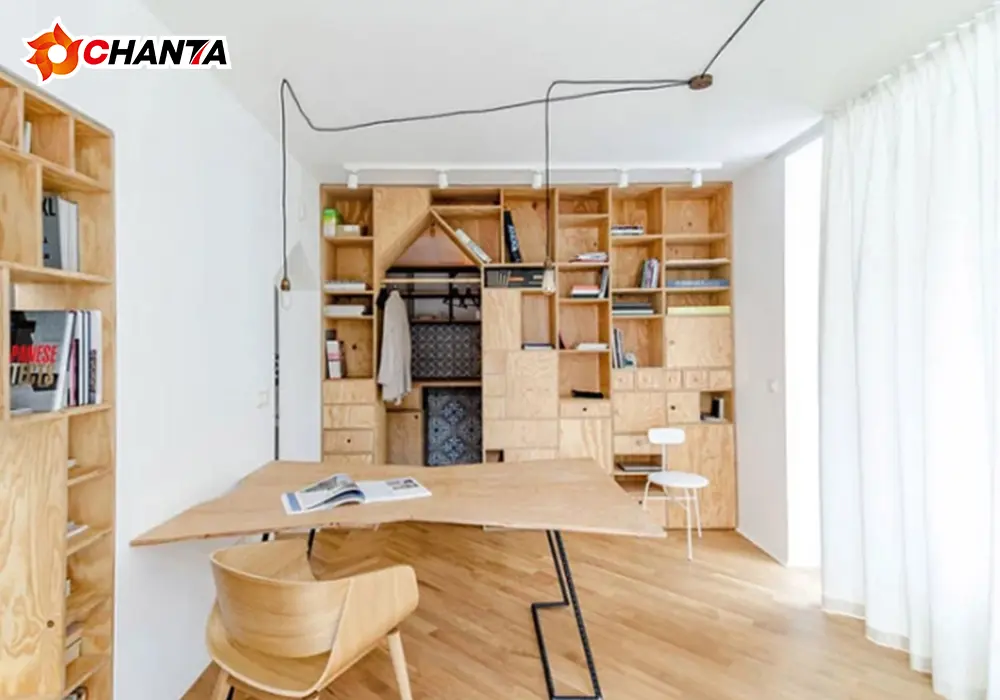
Commercial Plywood Core Types: What’s Inside and Why It Matters
When buyers source commercial plywood, many focus on thickness, surface grade, or price. However, the core inside the plywood often determines real performance. Core material affects strength, weight, screw holding, durability, and long-term stability. This guide explains the most common commercial plywood core types, how each core performs, and how…