
Table of contents
MDF looks simple from the outside. It feels smooth and uniform. Many buyers assume it comes from a basic process. That is not the case.
In reality, MDF production involves several controlled steps. Each step affects density, strength, and surface quality. This is where differences between suppliers often begin.
If you understand how MDF is made, you can judge quality much more accurately.
Raw Material Preparation
The process starts with wood raw materials. Most factories use wood chips or small logs. Some also use recycled wood fibers.
At this stage, consistency matters more than people expect.
Wood Selection
Manufacturers select wood based on fiber quality. Softwood and hardwood mixes are common. The goal is stable fiber structure.
Cleaning and Screening
The material goes through cleaning systems. These systems remove sand, metal, and impurities. Clean input leads to better boards.
Fiber Separation Process
After preparation, the material enters the refining stage. This is where chips turn into fibers.
This step defines the internal structure of MDF.
Steam Heating
Factories expose wood chips to high-temperature steam. This softens the material and prepares it for refining.
Mechanical Refining
Refiners break the chips into fine fibers. The quality of this step affects board strength and smoothness.
This is also where low-quality MDF often shows problems later.
Drying and Resin Application
Fresh fibers still contain moisture. They need drying before bonding.
This stage also introduces adhesives.
Fiber Drying
Hot air systems reduce moisture content. The process must stay controlled. Too much drying damages fibers.
Resin Blending
Manufacturers mix fibers with resin and additives. These include bonding agents and wax.
The resin type affects both strength and emission levels.
Mat Forming and Pressing
Once fibers are ready, they form a loose mat. This mat then turns into a solid board.
This stage shapes the final product.
Mat Formation
Machines spread fibers evenly on a forming line. Uniform distribution is critical here.
Hot Pressing
The mat enters a hot press. Heat and pressure compress it into panels.
This is where density and thickness become fixed.
Cooling and Cutting
After pressing, boards still carry heat. They need cooling before further processing.
Skipping this step leads to instability.
Cooling Process
Cooling systems reduce internal stress. This helps prevent warping later.
Panel Cutting
Factories cut large boards into standard sizes. Clean cutting improves usability.
Sanding and Surface Finishing
The surface does not come out perfect after pressing. Sanding improves smoothness.
This step often defines visual quality.
Surface Sanding
Sanding machines level the board surface. This creates the smooth finish MDF is known for.
Thickness Calibration
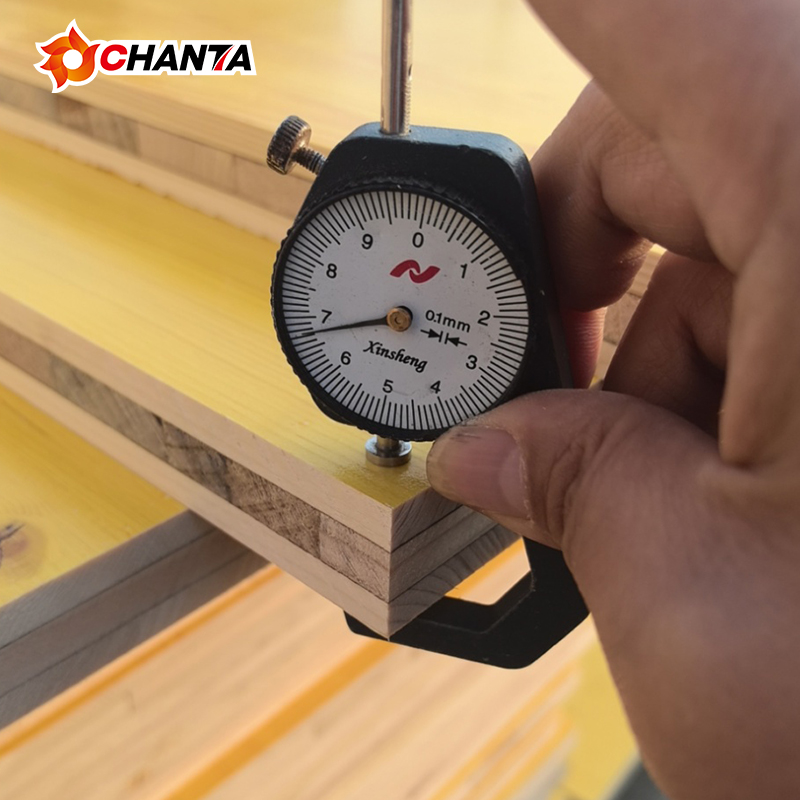
Factories adjust thickness to exact specifications. Consistency matters for furniture production.
Quality Control and Grading
Before shipping, manufacturers check each batch. Not all boards perform the same.
This is where reliable suppliers stand out.
Density Testing
Technicians measure density across the board. Even density ensures stable performance.
Emission Testing
Factories check formaldehyde levels. Buyers often require E1 or E0 standards.
Manufacturers like CHANTA focus on keeping these values stable across batches.
Why the Process Matters for Buyers
At first glance, MDF boards may look identical. In practice, they behave differently.
Small variations in production lead to big differences in performance.
Buyers who understand the process can avoid many common issues.
Conclusion
MDF production involves more than simple compression. Each step affects final quality.
From fiber preparation to pressing and sanding, every stage matters.
When you know how MDF is made, choosing the right supplier becomes easier.




2 Comments