Table of contents
When choosing materials for furniture, one of the most common questions buyers face is whether to use MDF (Medium Density Fiberboard) or plywood. Both materials are widely used in furniture manufacturing, but they differ significantly in structure, performance, cost, and application.
Making the right choice depends on how the furniture will be used, the required durability, and the expected finish quality. Choosing the wrong material can lead to higher costs, reduced lifespan, or production issues.
This guide compares MDF and plywood for furniture and helps buyers determine which material is better for their specific needs.
Understanding MDF and Plywood Structure
MDF and plywood differ fundamentally in how they are manufactured. This structural difference directly affects strength, durability, and performance.
MDF Structure
MDF is made from wood fibers bonded together with resin under heat and pressure. It has a uniform structure with no grain direction, which makes it smooth and easy to machine.
Plywood Structure
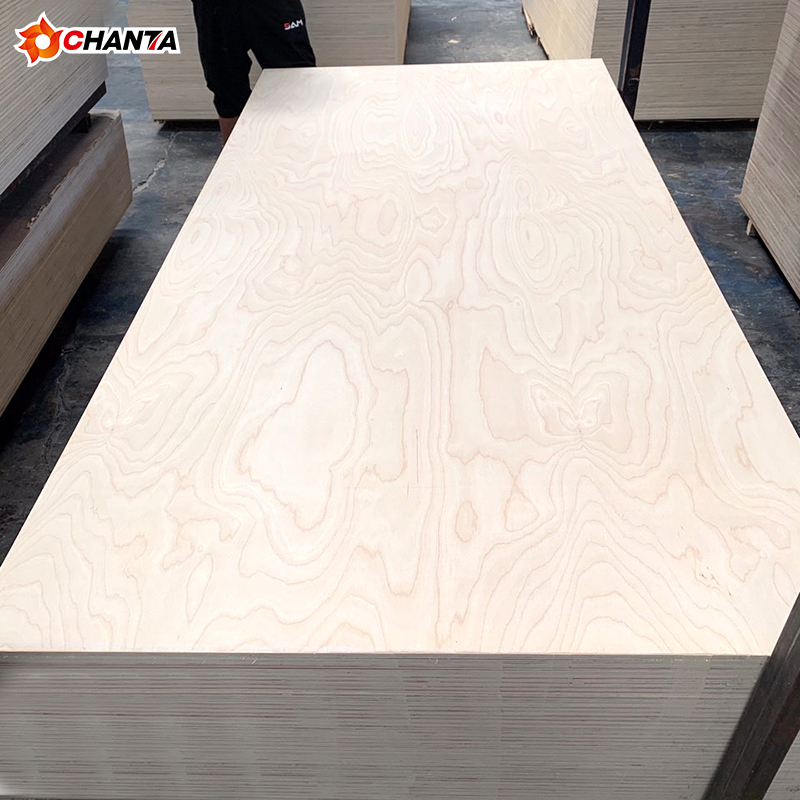
Plywood consists of thin wood veneers layered and bonded with adhesive. Each layer runs in alternating grain directions, which improves strength and resistance to bending.
Strength and Durability Comparison
Strength is one of the most important factors when selecting materials for furniture, especially for load-bearing components.
| Feature | MDF | Plywood |
|---|---|---|
| Strength | Moderate | High |
| Screw Holding | Weaker | Stronger |
| Impact Resistance | Lower | Higher |
Plywood generally performs better in structural applications, while MDF works well for non-load-bearing furniture components.
Surface Finish and Appearance
Surface quality plays a major role in furniture aesthetics, especially for painted or laminated products.
| Feature | MDF | Plywood |
|---|---|---|
| Surface Smoothness | Very smooth | Natural grain texture |
| Painting Performance | Excellent | Requires preparation |
| Veneer Finishing | Good | Excellent |
MDF is ideal for painted furniture due to its smooth surface, while plywood offers a natural wood appearance suitable for veneer finishes.
Moisture Resistance and Stability
Environmental conditions significantly affect furniture performance. Moisture resistance is especially important in kitchens and humid climates.
Plywood generally provides better resistance to moisture compared to standard MDF.
MDF Performance in Moist Conditions
Standard MDF absorbs water easily and may swell if exposed to moisture. Moisture-resistant MDF improves performance but still requires careful use.
Plywood Performance in Moist Conditions
Plywood has better structural stability under humid conditions due to its layered construction and stronger bonding.
Cost Comparison and Value
Cost is often a deciding factor for buyers. MDF is typically more affordable than plywood, but cost should be evaluated together with performance.
| Factor | MDF | Plywood |
|---|---|---|
| Material Cost | Lower | Higher |
| Processing Cost | Lower | Higher |
| Durability Value | Moderate | Higher |
MDF offers better cost efficiency for decorative furniture, while plywood provides better long-term value for structural applications.
Best Applications for Each Material
Choosing between MDF and plywood depends largely on the intended use of the furniture.
When MDF Is the Better Choice
- Painted furniture
- Decorative panels
- Cabinet doors
- Indoor furniture with low moisture exposure
When Plywood Is the Better Choice
- Load-bearing furniture
- Kitchen cabinets
- Furniture exposed to moisture
- High-durability applications
Manufacturing Quality Matters
Regardless of material choice, quality varies significantly between suppliers. Poor-quality MDF or plywood can lead to production problems and reduced product lifespan.
Reliable manufacturers focus on consistent material properties and production control. For example, manufacturers such as CHANTA emphasize stable density, strong bonding, and consistent quality to ensure reliable performance in both MDF and plywood products.
How to Choose Between MDF and Plywood
Instead of asking which material is universally better, buyers should evaluate their specific requirements.
Choose MDF When
- Surface finish is the priority
- Budget is limited
- Furniture is used in dry indoor environments
Choose Plywood When
- Strength and durability are critical
- Furniture must withstand moisture
- Long-term performance is required
Conclusion
MDF and plywood both offer advantages for furniture manufacturing. MDF provides a smooth surface and cost efficiency, while plywood delivers superior strength and durability.
The best choice depends on application, environment, and performance requirements. Buyers who understand these differences can select the right material and achieve better results in furniture production.