Table of contents
Many buyers compare MDF and plywood when planning furniture or interior projects. Both materials look similar at first, but they behave very differently in real use. This is where confusion often starts.
Some buyers choose based on price, while others follow common advice. In practice, the right choice depends on how you use the material.
Basic Difference Between MDF and Plywood
MDF and plywood come from different structures. That difference affects strength, stability, and performance in real applications.
MDF Structure
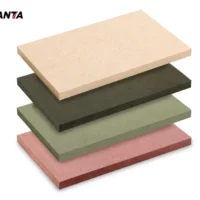
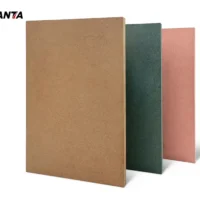
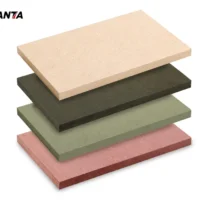
MDF uses compressed wood fibers to form a uniform panel. It has no grain direction, which makes cutting and finishing easier.
Plywood Structure
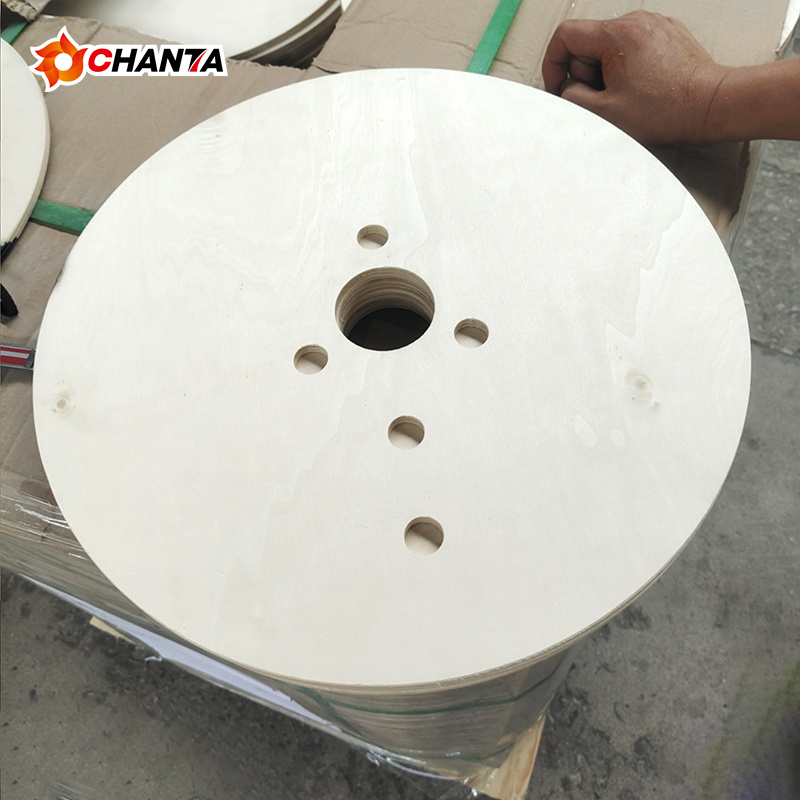
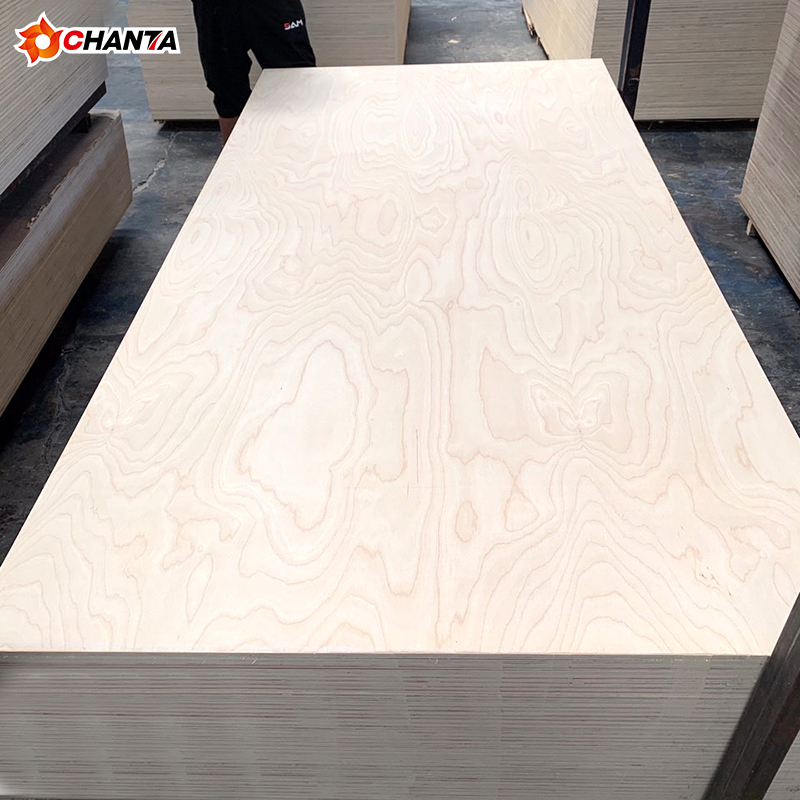
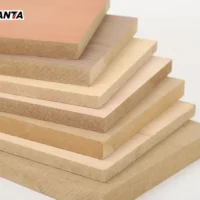
Plywood uses layered wood veneers. Each layer runs in a different direction, which improves overall strength.
Strength and Load Performance
Strength matters when the panel carries weight. This is one of the biggest differences between MDF and plywood. In real use, plywood handles load better.
| Feature | MDF | Plywood |
|---|---|---|
| Strength | Moderate | High |
| Screw Holding | Weaker | Stronger |
| Impact Resistance | Lower | Higher |
MDF works well for light applications, while plywood performs better for structural use.
Surface Finish and Appearance
This is where MDF shows clear advantages. The surface stays smooth and consistent, which makes finishing easier.
Plywood shows natural wood grain. Some buyers prefer this look, especially for visible furniture parts.
MDF for Painting
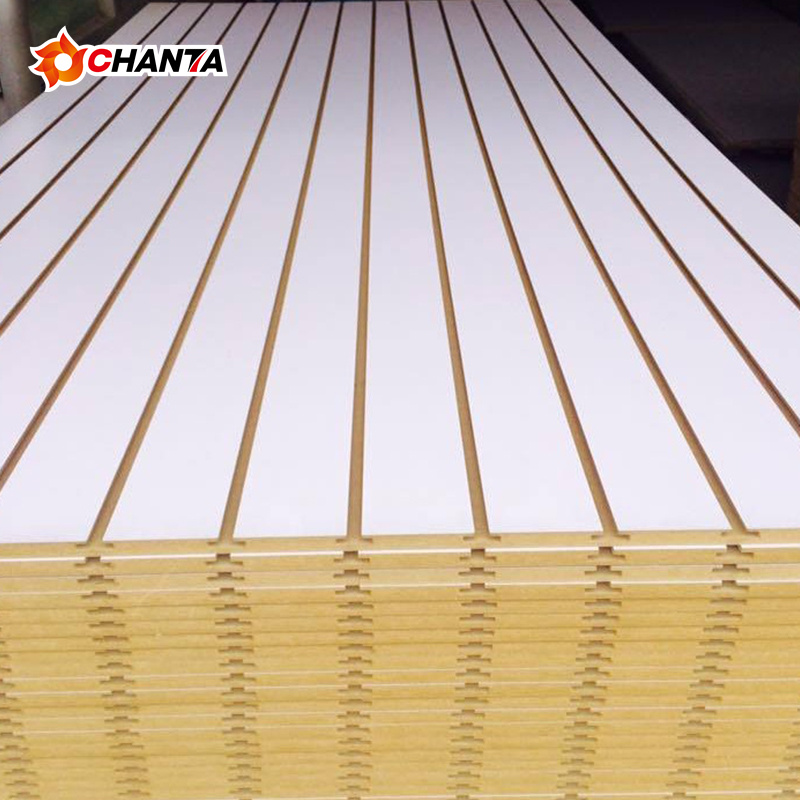
MDF accepts paint easily. It creates a clean and even surface without extra preparation.
Plywood for Veneer
Plywood works better with veneer finishes. It gives a more natural wood appearance.
Moisture Resistance
This factor often gets ignored at the beginning. Later, it becomes a major issue in many projects.
Plywood handles moisture better than MDF. MDF absorbs water over time, and damage may not appear immediately. In real projects, this is where problems usually begin.
Cost Difference
MDF usually costs less, which makes it popular for large-scale production. It helps control budget in many projects.
Plywood costs more, but it provides better durability. So the decision should consider long-term use, not just initial price.
Where MDF Makes Sense
MDF works well in controlled indoor environments where moisture is not a concern. It performs reliably in these situations.
- Painted furniture
- Decorative panels
- Wardrobes
Where Plywood Is a Better Choice
Plywood works better in applications where strength or moisture resistance matters. This is where MDF may struggle over time.
- Kitchen cabinets
- Load-bearing furniture
- Humid environments
Quality Still Depends on the Supplier
Even with the right material, quality still varies between suppliers. Some boards perform consistently, while others do not. In many cases, this difference comes from production control.
Manufacturers like CHANTA focus on stable quality across batches. This helps reduce performance issues in both MDF and plywood.
So Which One Should You Choose
There is no single answer for every situation. If you need a smooth finish and lower cost, MDF works well. If you need strength and durability, plywood is the safer choice.
In many cases, buyers use both materials together. This approach solves most practical problems in real projects.