
Table of contents
- What Does Commercial Grade Plywood Mean?
- Structure and Composition of Commercial Grade Plywood
- Commercial Grade Plywood Grades Explained
- Standard Sizes and Thickness Options
- Common Uses of Commercial Grade Plywood
- Commercial Grade Plywood vs Other Board Materials
- Advantages of Commercial Grade Plywood
- Limitations Buyers Should Consider
- How Buyers Select Reliable Commercial Grade Plywood
- Conclusion
Commercial grade plywood stands as one of the most widely used wood-based panels in furniture manufacturing and interior projects. Buyers often choose this material because it offers a practical balance between strength, appearance, and cost. Understanding what commercial grade plywood means helps importers, wholesalers, and furniture factories avoid material mismatch and quality issues.
This article explains commercial grade plywood from a buyer’s perspective, including its definition, structure, grades, common uses, and how it compares with other board materials.
What Does Commercial Grade Plywood Mean?
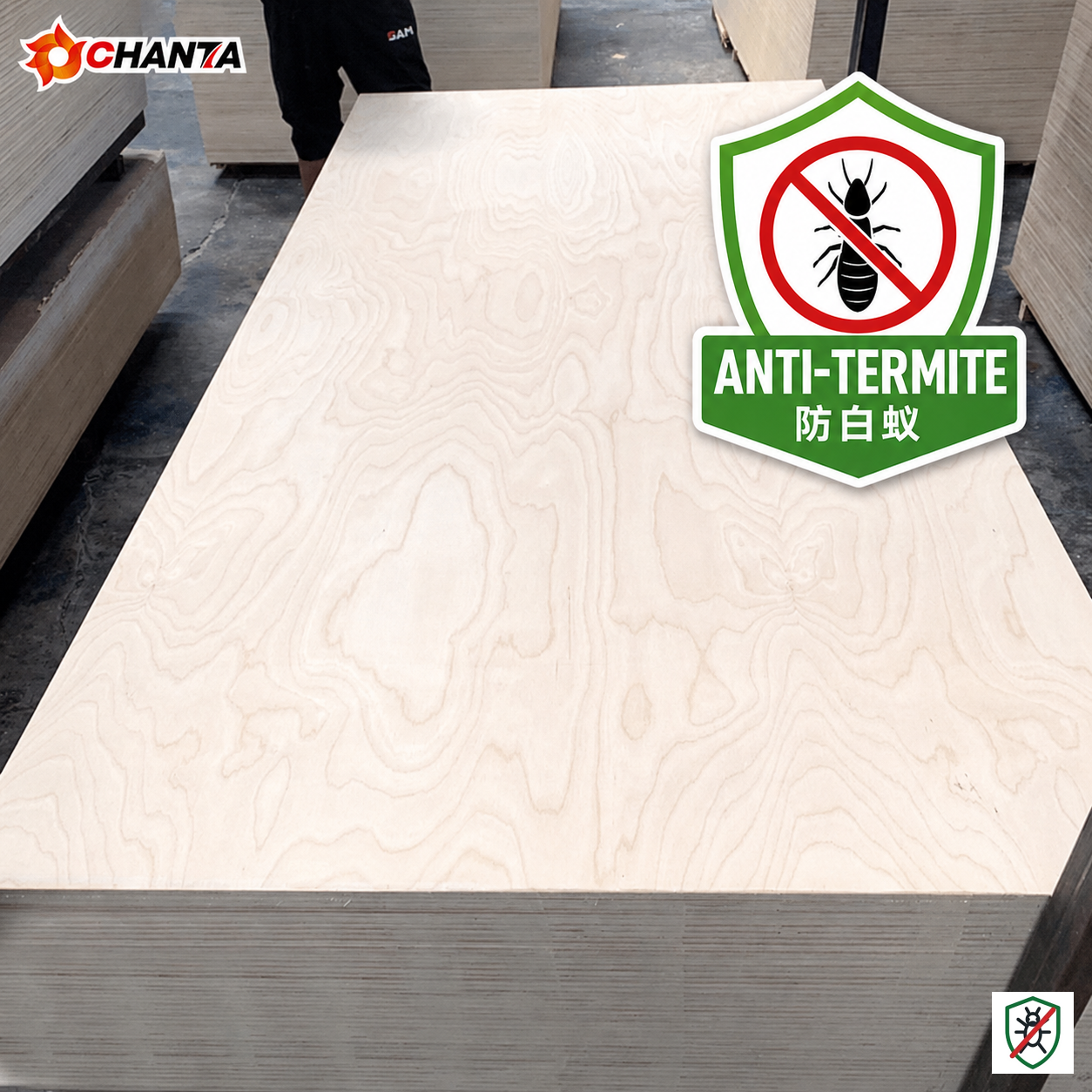
Commercial grade plywood refers to plywood designed primarily for interior and general-purpose applications. Manufacturers produce it by bonding multiple layers of wood veneer with resin adhesive under heat and pressure. Each veneer layer runs perpendicular to the next, which improves dimensional stability and load distribution.
The term “commercial grade” does not describe a single technical standard. Instead, it describes a quality level suitable for commercial furniture, cabinets, wardrobes, and interior decoration. Buyers usually select commercial grade plywood when projects require reliable performance without premium pricing.
Structure and Composition of Commercial Grade Plywood
The internal structure of commercial grade plywood determines its strength and durability. Manufacturers optimize this structure to meet furniture and interior requirements.
Face and Back Veneers
Manufacturers use hardwood or mixed hardwood veneers for face and back layers. These veneers provide a smooth surface that accepts laminates, veneers, or paint. Higher surface grades reduce finishing time and material waste.
Core Layers
The core typically consists of poplar, eucalyptus, or mixed hardwood veneers. This layered structure distributes stress evenly across the panel and improves screw-holding capacity.
Adhesive System
Commercial grade plywood commonly uses urea formaldehyde (UF) or melamine urea formaldehyde (MUF) glue. These adhesive systems provide adequate bonding strength for interior environments and controlled humidity conditions.
Commercial Grade Plywood Grades Explained
Suppliers classify commercial grade plywood according to surface quality and intended use. Understanding these grades helps buyers match material quality with project needs.
| Grade | Surface Quality | Typical Applications |
|---|---|---|
| Premium Commercial Grade | Smooth surface, minimal knots | High-end furniture, cabinets, wardrobes |
| Standard Commercial Grade | Visible grain, minor natural marks | General furniture, shelves, partitions |
| Utility Commercial Grade | Functional appearance | Packaging, temporary furniture, internal layers |
Furniture manufacturers usually choose premium or standard grades to ensure consistent surface quality and customer satisfaction.
Standard Sizes and Thickness Options
Commercial grade plywood follows industry-standard dimensions that simplify logistics and production planning.
| Thickness (mm) | Common Uses |
|---|---|
| 6 mm | Back panels, drawer bottoms |
| 9 mm | Cabinet sides, partitions |
| 12 mm | Furniture frames, shelving |
| 18 mm | Wardrobes, tables, countertops |
The most common sheet size measures 1220 × 2440 mm. Many suppliers also offer customized sizes for bulk and project-based orders.
Common Uses of Commercial Grade Plywood
Commercial grade plywood fits a wide range of interior applications due to its versatility and processing convenience.
Furniture Manufacturing
Furniture factories rely on commercial grade plywood for wardrobes, beds, tables, and storage units. The board supports laminates and natural veneers while maintaining structural stability.
Cabinets and Storage Units
Cabinet makers prefer commercial grade plywood for carcass construction because it holds screws securely and resists warping under normal indoor conditions.
Interior Decoration
Interior contractors use this plywood for wall paneling, partitions, and false ceilings. The material cuts cleanly and accepts paint, laminate, or veneer finishes.
Commercial Grade Plywood vs Other Board Materials
Buyers often compare commercial grade plywood with alternative panels before confirming orders.
| Material | Strength | Moisture Resistance | Cost Level |
|---|---|---|---|
| Commercial Grade Plywood | Medium to High | Moderate | Medium |
| MDF | Medium | Low | Low |
| Particle Board | Low | Low | Very Low |
| Marine Plywood | High | High | High |
Commercial grade plywood provides a balanced option for buyers who need durability without the cost of premium exterior-grade panels.
Advantages of Commercial Grade Plywood
- Cost-effective for large-scale furniture production
- Stable structure for interior environments
- Good screw-holding performance
- Compatible with multiple surface finishes
- Wide availability from global suppliers
Limitations Buyers Should Consider
Commercial grade plywood does not suit outdoor or high-humidity environments. Buyers should avoid using it in bathrooms, exterior structures, or areas with direct water exposure. For such conditions, moisture-resistant or marine-grade plywood performs better.
How Buyers Select Reliable Commercial Grade Plywood
Professional buyers evaluate several key factors before placing orders:
- Intended application and environment
- Required thickness and load capacity
- Surface grade and appearance standards
- Glue type and formaldehyde emission level
- Supplier quality control and consistency
Suppliers who provide clear specifications, stable production, and testing documentation help buyers reduce sourcing risks and maintain long-term partnerships.
Conclusion
Commercial grade plywood serves as a reliable and versatile panel for furniture, cabinets, and interior projects. Buyers who understand its structure, grades, and limitations can make informed purchasing decisions and achieve better project outcomes.










2 Comments