
Table of contents
- Typical Reuse Cycles in Real Construction Conditions
- Why Reuse Performance Varies So Much
- The Role of Core Material in Reuse Cycles
- Glue Type and Bonding Strength
- Film Weight and Resin Content
- Impact of Job Site Management
- Environmental and Project Factors
- Calculating Cost Per Use
- How Buyers Should Evaluate Reuse Claims
- Conclusion
One of the most important questions contractors, developers, and importers ask before purchasing formwork panels is simple: how many times can film faced plywood be reused? The answer directly affects budgeting, cost control, and project efficiency. In large construction projects, even a small difference in reuse cycles can significantly change overall material expenses.
Film faced plywood is specifically designed for repeated concrete casting. However, the actual number of reuse cycles depends on panel grade, core construction, glue type, film quality, job site handling, and environmental conditions. There is no universal fixed number. Instead, reuse performance falls within realistic ranges influenced by technical and operational variables.
This article explains typical reuse cycles, the structural factors that determine panel durability, the site practices that extend lifespan, and how buyers should calculate cost per use rather than relying on marketing claims.
Typical Reuse Cycles in Real Construction Conditions
In most markets, film faced plywood reuse expectations vary by quality level. Under proper handling and standard concrete casting conditions, typical performance ranges are as follows:
- Basic poplar core panels: 4–8 uses
- Standard poplar core with improved glue and film: 8–12 uses
- Hardwood core panels with WBP glue: 12–20 uses
- High-grade phenolic film plywood with dense hardwood core: 20+ uses in controlled environments
These ranges assume correct stripping, cleaning, and storage. Rough handling, heavy vibration, or prolonged moisture exposure can reduce these numbers significantly. In poorly managed sites, even high-quality panels may fail after only a few cycles.
Why Reuse Performance Varies So Much
Film faced plywood does not fail randomly. Its service life decreases through predictable structural changes. Understanding these changes allows buyers to select the right specification and improve reuse performance.
Surface Film Degradation
The phenolic film surface protects plywood from moisture and abrasion. Over repeated cycles, friction from concrete, vibration, and cleaning gradually wears down this layer. Once the film becomes thin or damaged, moisture penetrates the veneer beneath, accelerating failure.
Edge Swelling and Moisture Penetration
Edges remain the most vulnerable part of film faced plywood. Even when the surface remains intact, exposed or poorly sealed edges absorb water. Repeated wetting and drying cycles cause swelling, internal stress, and eventual delamination.
Internal Core Fatigue
Each concrete pour subjects plywood to pressure and structural load. Lightweight cores, such as basic poplar veneer, fatigue faster than dense hardwood cores. Internal micro-cracks develop over time, reducing bending strength and stability.
The Role of Core Material in Reuse Cycles
Core construction plays a critical role in determining how long a panel remains structurally reliable. Buyers often focus heavily on film surface quality, but the core defines long-term durability.
Poplar Core Performance
Poplar core film faced plywood offers lighter weight and lower cost. It performs well in low-rise or short-term projects. However, poplar’s lower density limits resistance to repeated heavy loads. Under intensive usage, fatigue appears earlier.
Hardwood Core Performance
Hardwood core plywood, often made from eucalyptus or mixed hardwood species, provides higher density and better bending resistance. These panels withstand more cycles of pressure and vibration, making them suitable for large-scale or high-rise projects.
Glue Type and Bonding Strength
Glue quality significantly affects reuse cycles. Film faced plywood typically uses phenolic-based adhesives for bonding veneers. Panels bonded with WBP (Water Boil Proof) glue offer superior moisture resistance and internal stability.
Lower-grade adhesives weaken over repeated wet-dry cycles, increasing the risk of delamination even if the surface film remains intact.
Why WBP Glue Matters
WBP glue maintains bonding strength even under high humidity and repeated exposure to wet concrete. This prevents separation between veneer layers and extends usable lifespan.
Film Weight and Resin Content
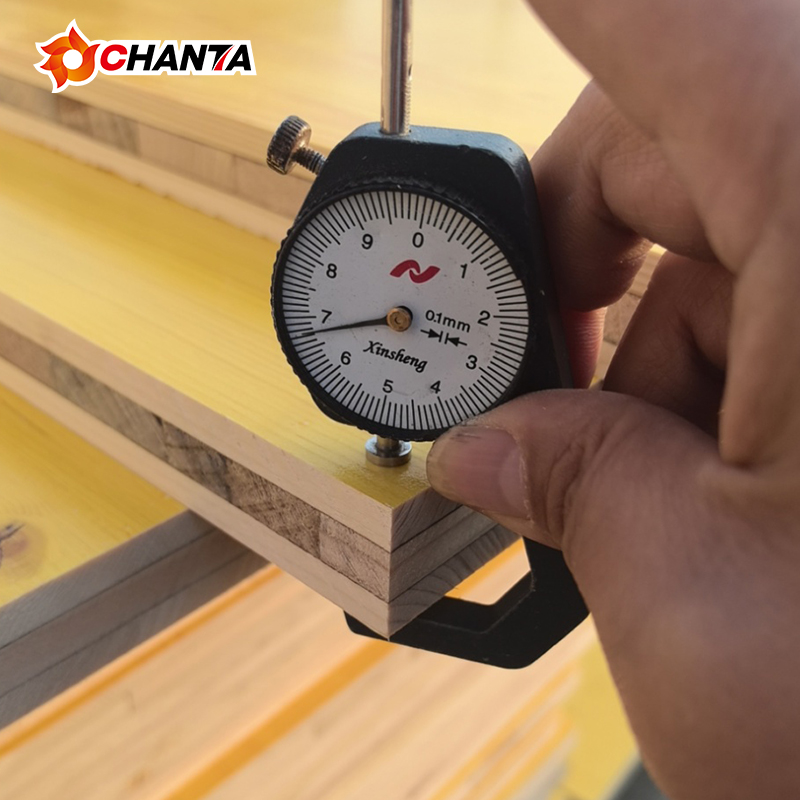
Film quality varies by resin concentration and paper weight. Higher resin content improves abrasion resistance and moisture protection. Some heavy-duty panels use thicker phenolic film designed specifically for extended reuse.
However, film thickness alone cannot compensate for weak core construction. Balanced specification across surface, core, and glue ensures optimal performance.
Impact of Job Site Management
Even premium panels fail early when job site practices are inconsistent. Proper handling often determines whether panels reach their expected reuse range.
Proper Stripping Techniques
Removing panels carefully prevents tearing of the film surface. Excessive force or sharp tools damage protective layers.
Cleaning After Each Pour
Removing concrete residue reduces surface abrasion and prepares panels for the next cycle.
Dry Storage Between Uses
Storing panels off the ground and protecting them from rain prevents moisture accumulation and swelling.
Environmental and Project Factors
Project conditions also influence reuse cycles. High-rise projects, heavy structural pours, or aggressive vibration shorten panel lifespan compared to smaller residential projects.
Climate matters as well. High humidity or frequent rainfall increases moisture exposure and accelerates wear.
Calculating Cost Per Use
Instead of focusing only on reuse count, professional buyers evaluate cost per use. This method compares initial price against realistic service life.
| Panel Type | Initial Cost | Estimated Reuse | Cost Per Use |
|---|---|---|---|
| Basic Poplar Core | Low | 6 | Higher over time |
| Hardwood Core WBP | Higher | 15+ | Lower over time |
A higher initial investment may reduce total project material cost if reuse cycles increase significantly.
How Buyers Should Evaluate Reuse Claims
Suppliers sometimes advertise high reuse numbers. Buyers should request technical details instead of relying on general claims.
- Core species and density
- Glue type and bonding standard
- Film resin weight
- Edge sealing method
Clear specification review prevents unrealistic expectations and post-purchase disputes.
Conclusion
Film faced plywood can typically be reused between 4 and over 20 times depending on grade, core material, glue quality, film durability, and job site management. Reuse cycles vary significantly across project conditions. Buyers who evaluate panels based on structural specifications and cost per use rather than price alone achieve better long-term value in concrete formwork applications.








1 Comment