
Table of contents
- What MDF and HDF Actually Mean
- Density Difference and Why It Matters
- Surface Finish and Decorative Performance
- Strength and Durability Comparison
- Moisture Resistance and Stability
- Cost Difference Between MDF and HDF
- Best Applications for MDF
- Best Applications for HDF
- Why Manufacturing Quality Still Matters
- Choosing Between MDF and HDF
Many buyers compare MDF and HDF when selecting materials for furniture, cabinets, wall panels, or interior decoration. At first glance, both products look very similar. They both use wood fibers, both provide smooth surfaces, and both appear in furniture factories around the world. However, the internal structure creates major differences in performance, durability, and machining behavior.
This is where many buyers make the wrong choice. Some focus only on price, while others only compare density numbers. In real projects, the application matters much more than simple specifications. Once production begins, those differences become much easier to notice.
What MDF and HDF Actually Mean
MDF stands for Medium Density Fiberboard, while HDF stands for High Density Fiberboard. Both products belong to the engineered wood panel category. Manufacturers produce them by compressing wood fibers together with resin under heat and pressure. Even though the process looks similar, the final density changes how the board performs.
HDF uses finer fibers and stronger compression during manufacturing. This creates a denser and harder board. MDF uses lower density levels, which makes machining easier and keeps costs lower. Buyers often compare only surface appearance at first, but the internal structure matters much more during long-term use.
MDF Structure
MDF uses medium-density wood fibers to create a stable and uniform board structure. The smooth surface helps during painting, laminating, and cutting. Furniture factories often choose MDF because it machines easily and produces clean decorative surfaces. In many indoor furniture applications, MDF provides a practical balance between cost and usability.
HDF Structure
HDF uses finer fibers and much higher compression pressure. This creates a tighter internal structure and stronger surface hardness. Because of this density, HDF handles wear and surface pressure more effectively. However, higher density also increases board weight and makes machining more difficult during production.
Density Difference and Why It Matters
Density affects almost every aspect of panel performance. Many buyers compare only thickness, but density often plays a larger role in strength and durability. This becomes especially important during furniture production and long-term use.
Higher density usually improves hardness and wear resistance. At the same time, it increases weight and processing difficulty. This is why buyers should evaluate density together with the actual application instead of assuming denser always means better.
| Feature | MDF | HDF |
|---|---|---|
| Density | Medium | Higher |
| Weight | Lighter | Heavier |
| Hardness | Moderate | Higher |
| Machining | Easier | More difficult |
| Wear Resistance | Moderate | Better |
In practice, HDF feels more compact and solid during use. However, the additional weight sometimes increases transportation cost and handling difficulty. MDF remains easier to cut, drill, and shape during furniture manufacturing.
Surface Finish and Decorative Performance
Both MDF and HDF provide smooth surfaces, but they behave differently during finishing. This becomes important for painted furniture, laminated panels, and decorative interiors.
MDF performs especially well for painted surfaces because the board structure remains stable during sanding and coating. Many furniture factories prefer MDF for cabinet doors, decorative panels, and wardrobes because it creates a cleaner final appearance.
Why MDF Works Well for Painting
MDF absorbs paint evenly and reduces visible surface texture after finishing. The smoother structure helps create a clean decorative result with less preparation work. In large furniture production lines, this advantage saves both labor time and finishing cost.
Buyers who focus on painted furniture often choose MDF because it offers reliable finishing consistency. This is especially common in modern interior furniture production.
Why HDF Performs Better for Laminates
HDF works well under laminate surfaces because the denser structure improves surface stability. This is one reason laminate flooring manufacturers often prefer HDF instead of MDF.
The harder surface also improves scratch resistance during long-term use. In high-contact environments, this advantage becomes more noticeable over time.
Strength and Durability Comparison
Many buyers assume higher density automatically means better performance in every situation. In reality, the application still matters most. HDF handles wear and surface pressure better, but MDF remains more flexible during processing.
MDF usually provides enough strength for standard indoor furniture. HDF becomes more useful when the surface experiences repeated pressure or friction.
Load and Impact Resistance
HDF handles impact and surface wear more effectively because of the tighter internal structure. This helps in flooring, durable wall panels, and backing boards.
MDF still performs reliably for wardrobes, shelves, and decorative furniture. In controlled indoor conditions, most buyers never experience major strength issues with MDF.
Screw Holding Performance
Both MDF and HDF provide moderate screw holding performance. However, plywood still performs better in heavy structural applications. Buyers sometimes overlook this difference during material selection.
Repeated screw removal weakens both MDF and HDF over time. For load-bearing furniture, plywood often remains the safer option.
Moisture Resistance and Stability
Neither MDF nor HDF performs well under direct water exposure. Buyers often misunderstand this point because HDF has higher density. In reality, higher density only slows moisture penetration. If moisture enters the board repeatedly, both materials eventually swell or weaken.
This issue usually appears slowly rather than immediately. At first, the panel may still look stable. Later, edge swelling and deformation begin to appear. This is why environment plays a major role when selecting board materials.
How MDF Reacts to Moisture
MDF absorbs moisture gradually, and damage often starts at the edges first. The board may still appear normal during the early stages. Over time, swelling spreads across the panel and weakens the structure.
For kitchens, bathrooms, or humid regions, buyers should consider moisture-resistant MDF or alternative materials.
How HDF Reacts to Moisture
HDF reacts more slowly because of the denser structure. However, long-term moisture still creates problems and weakens the board. Buyers should avoid using standard HDF outdoors or in wet environments.
In real projects, many moisture problems come from poor edge sealing rather than direct surface exposure.
Cost Difference Between MDF and HDF
Cost plays a major role during material selection. MDF usually costs less because production requires lower compression and lower density. This makes MDF more common in large furniture production.
HDF production consumes more energy and requires tighter manufacturing control. As a result, the board costs more than standard MDF. However, buyers sometimes accept the higher price because of the improved hardness and durability.
In many projects, buyers balance performance and budget together instead of choosing the strongest material available.
Best Applications for MDF
MDF works well in indoor furniture and decorative applications where smooth finish matters most. The easier machining process also helps reduce production cost.
- Wardrobes
- Cabinet doors
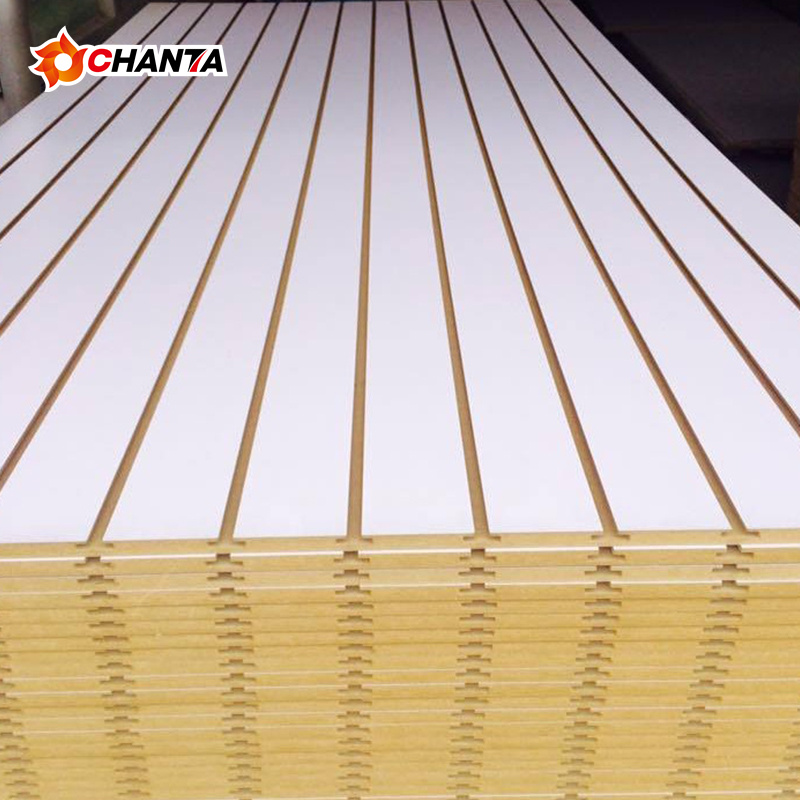
- Decorative wall panels
- Painted furniture
- Indoor shelving
These applications usually do not require extreme hardness or heavy structural performance. This is where MDF offers strong value.
Best Applications for HDF
HDF performs better in applications that require stronger wear resistance and surface durability. The denser structure improves long-term surface performance.
- Laminate flooring
- Door skins
- Furniture backing boards
- Durable decorative panels
- High-contact surfaces
In these situations, the higher density creates a clear advantage during long-term use.
Why Manufacturing Quality Still Matters
Not all MDF or HDF boards perform equally. Buyers sometimes compare only technical specifications, but production consistency matters just as much. Fiber quality, resin distribution, and pressing control all affect final performance.
Small production variations often create major quality differences later. Some boards remain stable during machining, while others chip or deform more easily. This is why experienced buyers pay close attention to supplier reliability.
At CHANTA, production teams focus on stable density control and consistent board structure across shipments. This helps buyers reduce processing issues and maintain stable furniture quality during mass production.
Choosing Between MDF and HDF
The right choice depends on your application, production method, and budget. Buyers should evaluate finishing requirements, durability expectations, and processing conditions together before selecting materials.
If you need smooth finishing, easier machining, and lower cost, MDF usually makes more sense. If you need harder surfaces and stronger wear resistance, HDF becomes the better option.
Many buyers compare only price during the beginning. Later, production performance becomes the real deciding factor.
Conclusion
MDF and HDF share similar raw materials, but they deliver different performance levels. MDF offers easier machining and smoother finishing, while HDF provides stronger density and better surface durability.
Neither material works perfectly for every project. The better choice depends on how you plan to use the board and what performance matters most.
Buyers who understand these differences usually avoid expensive production mistakes later.








2 Comments