Table of contents
Many buyers like the smooth surface and lower cost of MDF board. Because of that, MDF appears in many kitchen projects around the world. However, kitchens create a very different environment compared with bedrooms or living rooms.
Heat, steam, water, and daily cleaning all affect board performance over time. This is why buyers often ask the same question: can MDF actually work well in kitchens?
The answer depends on how you use it. In some kitchen applications, MDF performs very well. In other situations, buyers may face swelling, edge damage, or long-term durability issues.
Why MDF Became Popular for Kitchen Furniture
MDF for kitchen cabinets became popular because the material offers several practical advantages. The surface stays smooth, machining remains easy, and painted finishes look very clean.
Modern kitchens often use painted cabinet doors and decorative panels. MDF works especially well for these designs because the board creates a consistent finish without visible wood grain.
Smooth Surface for Modern Designs
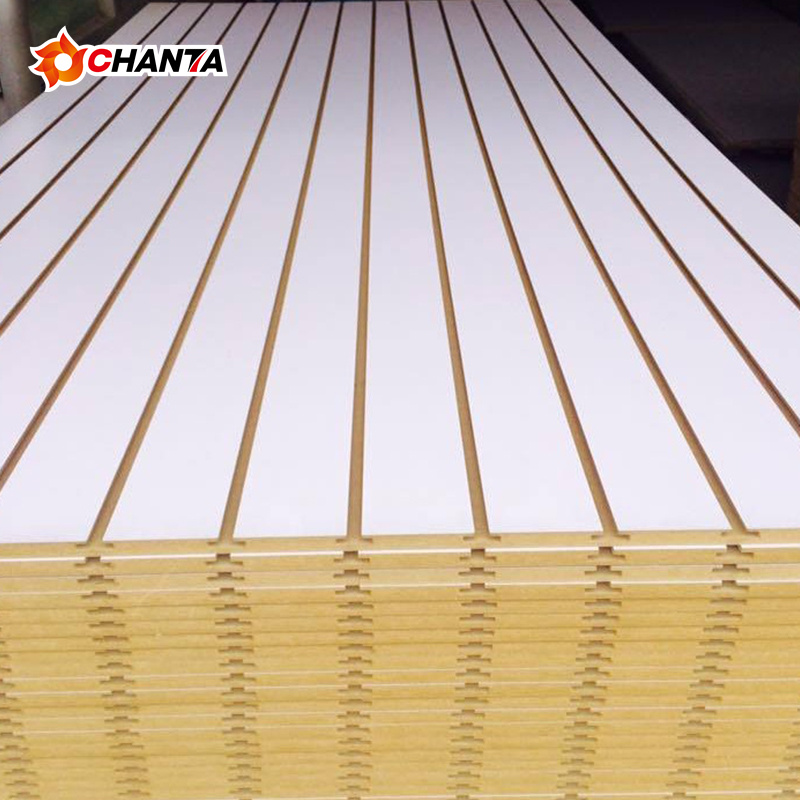
MDF allows factories to create clean painted surfaces with less preparation work. The board also works well with PVC films, melamine, and decorative laminates.
This helps manufacturers produce modern kitchen styles more efficiently.
Easy Machining and Shaping
Factories can cut, drill, and shape MDF easily during cabinet production. Complex door profiles also become easier to produce.
In large furniture production lines, this saves both labor and processing time.
The Biggest Problem with MDF in Kitchens
Even though MDF offers good decorative performance, moisture remains the biggest concern. Kitchens expose furniture to steam, water splashes, and changing humidity levels every day.
This is where many problems usually begin.
Moisture Absorption
Standard MDF panels absorb moisture over time. Once water reaches the internal fibers, the board begins to swell and weaken.
At first, the damage may appear small. Later, edges deform and surfaces lose stability.
Edge Swelling
Edges usually fail first because they absorb moisture faster than flat surfaces. Poor sealing increases this problem significantly.
In real projects, many cabinet complaints start from edge damage rather than surface failure.
Does Moisture-Resistant MDF Solve the Problem?
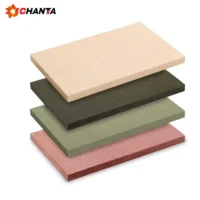
Many suppliers offer moisture-resistant MDF for kitchen use. This material performs better than standard MDF, but buyers should still understand its limits.
Moisture-resistant MDF slows water absorption, but it does not become waterproof.
| Board Type | Moisture Performance | Typical Kitchen Use |
|---|---|---|
| Standard MDF | Lower | Dry decorative areas |
| Moisture-Resistant MDF | Better | Cabinet doors and panels |
| Plywood | Higher | Structural cabinet parts |
Buyers sometimes misunderstand this point. Moisture-resistant MDF improves stability, but long-term water exposure still creates problems.
Where MDF Performs Well in Kitchens
Not every kitchen application creates the same level of stress. In some areas, MDF performs very reliably.
This is why many factories still use MDF in modern kitchen furniture.
Painted Cabinet Doors
MDF cabinet doors remain one of the most common applications. The smooth surface creates high-quality painted finishes and modern decorative styles.
As long as edge sealing stays strong, cabinet doors usually perform well.
Decorative Panels and Wall Units
MDF also works well for decorative side panels, wall units, and non-structural kitchen furniture.
These areas experience less direct water exposure, which reduces long-term risk.
Where MDF Often Causes Problems
Some kitchen areas expose the board to constant moisture and structural stress. This is where MDF becomes less reliable.
Sink Cabinets
Sink areas experience frequent water exposure and humidity changes. Even small leaks may damage MDF over time.
In many real projects, swelling around sink cabinets becomes one of the first visible problems.
Heavy Load Shelving
MDF handles decorative applications well, but long shelves carrying heavy kitchen items may bend over time.
For stronger structural support, plywood often performs better.
MDF vs Plywood for Kitchens
Many buyers compare MDF vs plywood for kitchen cabinets before production begins. Both materials offer advantages, but they serve different purposes.
MDF provides better surface finishing and lower cost. Plywood provides stronger moisture resistance and structural stability.
| Feature | MDF | Plywood |
|---|---|---|
| Paint Finish | Better | Moderate |
| Moisture Resistance | Lower | Higher |
| Machining | Easier | Moderate |
| Structural Strength | Moderate | Higher |
This is why many kitchen manufacturers combine both materials in the same cabinet system.
How Buyers Reduce MDF Problems in Kitchens
Experienced buyers usually focus on moisture control instead of avoiding MDF completely. Several production details improve long-term performance.
Better Edge Sealing
Strong edge sealing reduces moisture penetration and helps prevent swelling. This step matters more than many buyers expect.
Choosing Higher Quality Boards
Low-quality MDF absorbs moisture faster and shows instability earlier. Higher-density boards usually perform more consistently.
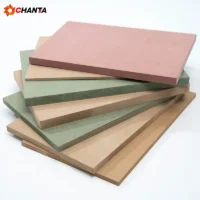
Manufacturers like CHANTA MDF supplier focus on stable density control and better fiber bonding to improve long-term furniture performance.
Is MDF a Good Choice for Kitchens?
The answer depends on the application and production quality. MDF works very well for painted doors, decorative panels, and controlled indoor kitchen environments.
However, moisture exposure still creates long-term risks. For sink cabinets or heavy structural areas, plywood often becomes the safer option.
Many modern kitchen factories combine MDF and plywood together instead of choosing only one material.
Conclusion
MDF for kitchens offers strong decorative advantages, smooth finishing, and efficient machining. This is why many cabinet manufacturers continue using MDF in modern kitchen production.
However, buyers should understand the moisture limitations before selecting materials. Proper board quality, sealing, and application design all affect long-term performance.
Smart buyers focus on using the right material in the right place instead of searching for one universal solution.