
Table of contents
- What Does MDF Stand For?
- What Is MDF Made Of?
- How MDF Is Manufactured
- Key Characteristics of MDF
- Common Uses of MDF
- MDF vs Plywood: Basic Differences Buyers Should Know
- Advantages of MDF for Buyers
- Limitations Buyers Should Consider
- When MDF Makes Sense for Buyers
- When Buyers Should Avoid MDF
- Buyer Takeaway: What MDF Really Offers
MDF appears in a wide range of furniture and interior products around the world. Buyers often consider MDF because it offers smooth surfaces, stable quality, and competitive pricing. However, many buyers still ask a basic but important question before placing orders: what exactly is MDF, and when does it make sense to use it?
This article explains MDF in simple terms from a buyer’s perspective. It covers what MDF is made of, how it performs, where buyers commonly use it, and what limitations buyers should understand before choosing MDF.
What Does MDF Stand For?
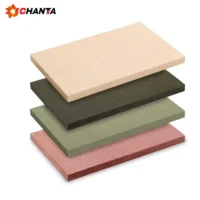
MDF stands for Medium Density Fiberboard. Manufacturers produce MDF by breaking down wood into fine fibers, mixing those fibers with resin adhesive, and pressing the mixture into dense panels under heat and pressure.
Unlike plywood, MDF does not use layered veneers. Instead, it forms a uniform board with consistent density throughout the panel.
What Is MDF Made Of?
MDF consists mainly of wood fibers, resin glue, and small amounts of additives. Manufacturers typically use wood waste such as chips and sawdust from other wood processing operations. This approach improves material efficiency and reduces raw material waste.
Main Components of MDF
- Wood fibers from hardwood or softwood
- Resin adhesive for bonding
- Wax or additives for processing stability
The fiber-based structure gives MDF a smooth surface and consistent internal composition.
How MDF Is Manufactured
MDF production follows a controlled industrial process that focuses on consistency and surface quality.
Fiber Preparation
Manufacturers refine wood chips into fine fibers and dry them to control moisture content.
Resin Blending
Factories mix fibers with resin adhesive and additives to prepare the material for pressing.
Hot Pressing
High pressure and heat compress the fiber mixture into rigid panels with uniform thickness and density.
Key Characteristics of MDF
MDF offers several characteristics that make it popular for interior furniture and decorative applications.
- Smooth and flat surface
- Uniform density throughout the panel
- Easy machining and cutting
- Good paint and laminate performance
- Lower cost compared to solid wood
Common Uses of MDF
Buyers use MDF in many interior and furniture applications where appearance and surface finish matter.
MDF for Furniture
Furniture manufacturers use MDF for wardrobes, cabinets, shelves, and tables. Painted furniture and laminated panels often rely on MDF for clean surface results.
MDF for Cabinets and Storage
Cabinet makers use MDF for cabinet doors, drawer fronts, and decorative panels. The smooth surface supports high-quality finishes.
MDF for Interior Decoration
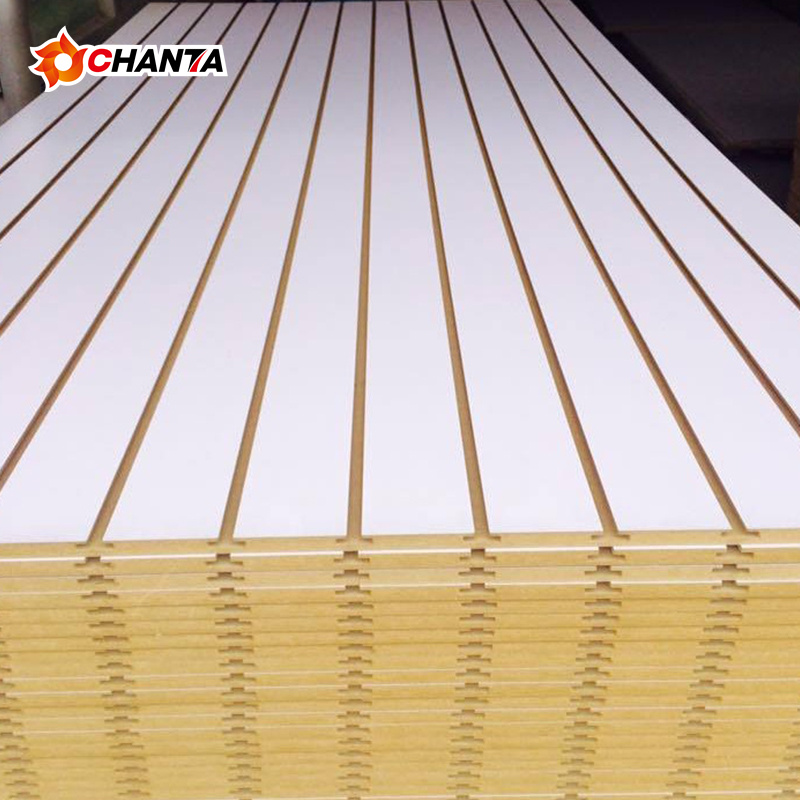
Interior contractors apply MDF for wall panels, partitions, moldings, and ceiling elements.
MDF vs Plywood: Basic Differences Buyers Should Know
Buyers often compare MDF with plywood before selecting materials.
| Feature | MDF | Plywood |
|---|---|---|
| Structure | Compressed wood fibers | Layered wood veneers |
| Surface Quality | Very smooth | Natural wood grain |
| Screw Holding | Weak at edges | Strong |
| Moisture Resistance | Low | Moderate to high |
MDF focuses on surface finish and cost efficiency, while plywood focuses on structural strength.
Advantages of MDF for Buyers
- Consistent quality across large volumes
- Excellent surface for paint and laminates
- Easy CNC machining for designs
- Competitive pricing for mass production
Limitations Buyers Should Consider
MDF does not suit every application.
- Poor moisture resistance
- Weak screw holding at edges
- Heavier than plywood of similar thickness
- Not suitable for structural load-bearing use
When MDF Makes Sense for Buyers
MDF works well when buyers prioritize appearance, smooth finish, and cost control.
- Painted furniture
- Decorative cabinet doors
- Interior wall panels
- Low-load furniture components
When Buyers Should Avoid MDF
Buyers should avoid MDF in environments with moisture or heavy structural requirements.
- Kitchens with high humidity
- Bathrooms and wet areas
- Outdoor furniture
- Heavy-load shelves
Buyer Takeaway: What MDF Really Offers
MDF provides a smooth, consistent, and cost-effective panel for interior furniture and decorative applications. Buyers who understand its strengths and limitations can use MDF effectively and avoid common quality problems.
Conclusion
MDF stands for medium density fiberboard, a fiber-based panel designed for interior use. It delivers excellent surface quality and manufacturing efficiency but lacks moisture resistance and structural strength. Buyers who match MDF to the right applications can achieve good performance and strong value.









1 Comment