
Table of contents
Film faced plywood is designed for repeated use in concrete formwork. Many suppliers advertise reuse cycles ranging from 10 to 20 times or even more. However, contractors often encounter situations where panels begin to fail after only a few uses. This creates frustration on job sites and raises questions about product quality.
In reality, early failure rarely comes from a single cause. Film faced plywood performance depends on manufacturing quality, core material, glue strength, handling practices, and environmental conditions. When several of these factors combine, plywood lifespan can drop dramatically.
This article explains the most common reasons film faced plywood fails prematurely and how buyers and contractors can reduce these risks.
Poor Core Construction Weakens the Panel Structure
The internal core structure of plywood determines how well the panel resists bending, pressure, and vibration during concrete casting. Even if the surface film appears strong, a weak core can lead to early structural failure.
Many low-cost panels use lower-density veneers or inconsistent layer structures to reduce manufacturing costs. These shortcuts compromise long-term durability.
Low Density Veneer Layers
Soft and lightweight veneers provide lower structural strength. Under repeated concrete loads, these layers compress or crack more easily.
Irregular Veneer Assembly
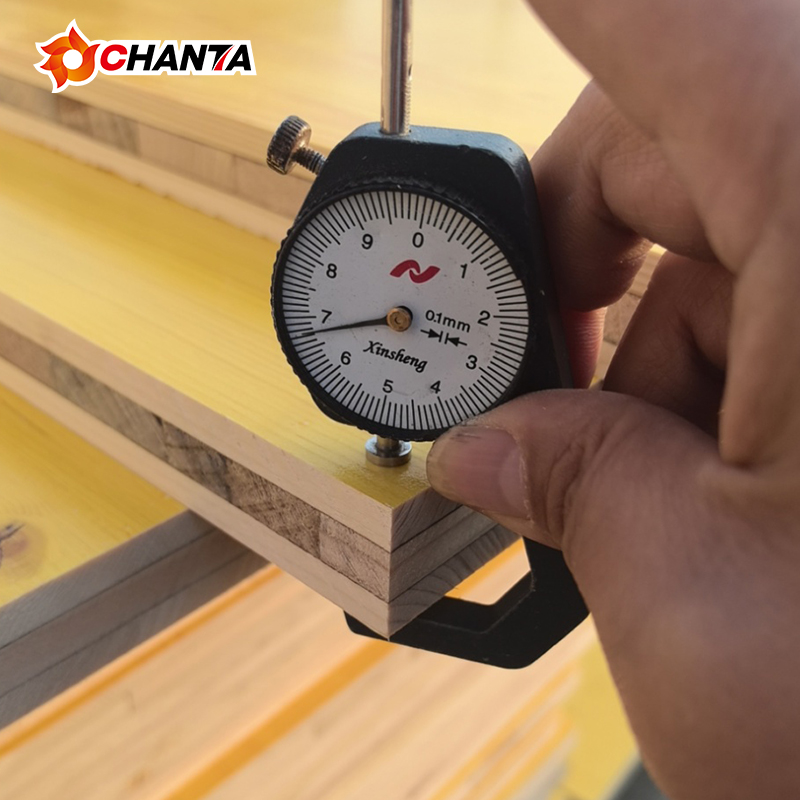
Plywood with uneven veneer thickness or gaps between layers cannot distribute pressure evenly. Stress concentrates in certain areas, leading to early deformation or delamination.
Weak Adhesive Bonding Causes Delamination
Glue quality plays a crucial role in plywood durability. Film faced plywood used for formwork typically relies on phenolic-based adhesives to bond veneer layers together.
When manufacturers use lower-grade adhesives or insufficient glue application, the bonding strength between layers decreases. Under repeated exposure to moisture and pressure, veneer layers begin separating.
Insufficient Glue Spread
If glue coverage is uneven during production, certain areas of the panel may not bond properly. These weak spots expand during use.
Low Quality Adhesive
Panels produced with non-WBP adhesives cannot withstand repeated wet-dry cycles. Moisture gradually breaks down the bond lines.
Surface Film Damage Reduces Protection
The phenolic film layer protects plywood from abrasion, moisture, and concrete adhesion. Once this protective layer becomes damaged, the plywood underneath becomes vulnerable.
Film damage may occur during stripping, transportation, or cleaning.
Scratches and Surface Cuts
Using sharp tools or excessive force when removing panels can scratch or cut the film surface. Once the protective barrier is broken, water enters the veneer layers.
Film Wear from Repeated Abrasion
Each concrete pour causes friction between the panel and the concrete surface. Over time, the film gradually becomes thinner, reducing its protective ability.
Edge Swelling from Moisture Exposure
Edges are the most vulnerable part of film faced plywood because they are not fully protected by phenolic film. Moisture enters through exposed edges and spreads into the core.
Repeated exposure to water leads to swelling, weakening the internal bonding structure.
Damaged Edge Sealing
Many panels include edge paint or sealant to reduce water absorption. If this protection wears off or becomes damaged, edges absorb moisture quickly.
Standing Water on Job Sites
Panels left on wet ground or exposed to rain accumulate moisture. Prolonged water exposure accelerates swelling and delamination.
Improper Handling on Construction Sites
Job site handling practices strongly influence plywood lifespan. Even high-quality panels can fail early when handled incorrectly.
Rough Stripping Practices
Using crowbars or excessive force during formwork removal damages both the film surface and plywood edges.
Lack of Cleaning Between Uses
Concrete residue left on panels hardens and increases abrasion during the next pour.
Poor Storage Conditions
Panels stored in humid environments without proper ventilation absorb moisture and lose structural strength.
Mismatch Between Panel Grade and Project Requirements
Some projects require higher-strength panels due to heavy loads, large concrete pours, or high-rise structures. Using lower-grade panels in these conditions shortens their lifespan.
For example, poplar core panels designed for light-duty formwork may fail quickly when used in high-pressure structural applications.
Heavy Structural Concrete Projects
High-rise construction often requires stronger hardwood core plywood with higher density.
Frequent Reuse Cycles
Projects expecting long reuse cycles must use higher-grade film faced plywood with stronger cores and adhesives.
How Contractors Can Prevent Early Failure
Reducing early failure requires both proper product selection and good site practices. Contractors who follow a few basic maintenance principles can significantly extend panel lifespan.
- Choose plywood with strong core material and WBP glue
- Use release agents to reduce concrete adhesion
- Clean panels after each pour
- Protect edges and reapply sealant if needed
- Store panels in dry, covered areas
Combining quality materials with disciplined handling often doubles the usable life of film faced plywood.
Conclusion
Film faced plywood that fails after only a few uses usually suffers from a combination of factors such as weak core construction, poor adhesive bonding, surface film damage, moisture exposure, or improper site handling. Understanding these causes allows buyers and contractors to select better materials and implement practices that significantly extend panel lifespan.
When quality manufacturing and proper job site management work together, film faced plywood can deliver reliable performance and cost-effective reuse in concrete formwork projects.








1 Comment