
Table of contents
Film faced plywood is designed to withstand repeated use in concrete formwork, yet many contractors experience early failure after only a few cycles. Panels may start swelling, delaminating, or losing surface quality much earlier than expected. This leads to increased material costs and project delays.
Early failure is not always a sign of defective plywood. In most cases, it results from a mismatch between product specification, site conditions, and handling practices. Understanding the real reasons behind early failure helps buyers choose better materials and manage them correctly.
This article breaks down the key reasons why film faced plywood fails prematurely and how each factor affects real-world performance.
Mismatch Between Plywood Grade and Project Requirements
One of the most common reasons for early failure is selecting a panel that does not match the project’s structural demands. Not all film faced plywood is designed for heavy-duty use.
Low-cost panels may perform adequately in small residential projects but fail quickly under high-pressure concrete pours or large-scale construction.
Using Light-Duty Panels in Heavy Applications
Thin panels or low-density cores cannot handle high concrete pressure. This leads to bending, cracking, or internal stress damage.
Incorrect Thickness Selection
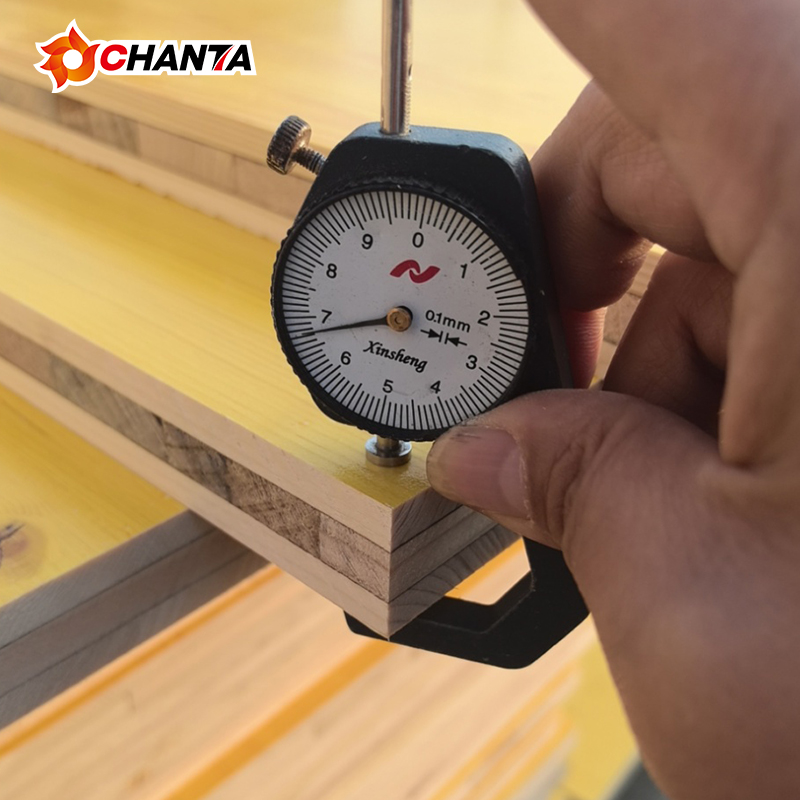
Using 12mm or 15mm panels where 18mm is required reduces structural stability and accelerates failure.
Low Core Quality Limits Structural Strength
The internal core structure determines how well plywood handles repeated load and stress. Even when the surface looks strong, weak core construction leads to early failure.
Plywood with inconsistent veneer layers or low-density wood species cannot maintain stability during multiple formwork cycles.
Gaps Between Veneer Layers
Irregular assembly creates weak zones that fail under pressure.
Low-Density Core Materials
Soft wood veneers compress more easily, reducing load-bearing capacity over time.
Inadequate Glue Performance
Adhesive quality is critical for maintaining panel integrity. Film faced plywood exposed to repeated wet and dry cycles requires strong bonding between veneer layers.
Panels produced with insufficient glue or low-grade adhesive often delaminate early.
Non-WBP Glue Usage
Lower-grade adhesives lose bonding strength when exposed to moisture, causing layers to separate.
Uneven Glue Application
Inconsistent glue spread creates weak bonding zones that expand during use.
Surface Film Damage from Site Handling
The phenolic film protects the plywood from moisture and abrasion. Once this layer becomes damaged, the panel deteriorates rapidly.
Many failures occur not during concrete pouring but during stripping and handling.
Improper Stripping Methods
Using crowbars or sharp tools damages the film surface and exposes the underlying veneer.
Lack of Cleaning Between Uses
Concrete residue hardens on the surface and increases abrasion during the next cycle.
Moisture Exposure and Edge Failure
Edges remain the weakest point of film faced plywood. Even when the surface film is intact, moisture can enter through exposed edges.
Repeated water exposure leads to swelling, internal stress, and eventual delamination.
Damaged Edge Sealing
Once edge protection wears off, water absorption increases rapidly.
Improper Storage Conditions
Panels left on wet ground or exposed to rain absorb moisture and lose structural strength.
Lack of Proper Maintenance Practices
Maintenance plays a significant role in determining how long film faced plywood lasts. Without consistent care, even high-quality panels fail early.
Simple maintenance steps can significantly extend reuse cycles.
Skipping Release Agent Application
Without release agents, concrete bonds strongly to the surface, increasing stripping force and surface damage.
Ignoring Regular Inspection
Minor damage, if not repaired early, can spread and reduce panel lifespan.
Inconsistent Manufacturing Quality
Not all film faced plywood is produced under the same quality standards. Variations in raw materials, pressing conditions, and inspection processes can lead to inconsistent performance.
Reliable manufacturers maintain strict production control to ensure stable quality across batches.
For example, manufacturers such as CHANTA focus on consistent veneer structure, strong adhesive bonding, and controlled film application to minimize performance variation.
How to Prevent Early Failure
Preventing early failure requires a combination of correct product selection and proper handling.
- Select the appropriate thickness and core type for the project
- Choose panels with WBP glue and strong bonding
- Apply release agents before each use
- Handle panels carefully during stripping
- Store panels in dry and protected conditions
When these practices are followed, film faced plywood can achieve its expected reuse cycles and deliver consistent performance.
Conclusion
Film faced plywood that fails after only a few uses usually reflects a mismatch between product specification, site conditions, and handling practices. Weak core construction, poor adhesive quality, surface damage, and moisture exposure all contribute to early failure.
By understanding these factors and selecting the right materials, contractors and buyers can significantly improve panel lifespan and reduce overall formwork costs.








2 Comments