
Table of contents
- What Is Commercial Grade Plywood?
- What Is MDF?
- Structural Differences Between Commercial Grade Plywood and MDF
- Strength and Durability Comparison
- Moisture Resistance and Environmental Performance
- Surface Finish and Appearance
- Processing and Machining
- Common Applications: Where Each Material Works Best
- Cost Comparison
- Which One Should Buyers Choose?
When buyers choose board materials for furniture or interior projects, commercial grade plywood and MDF often become the top two options. Both materials serve indoor applications, but they differ significantly in structure, strength, durability, and long-term performance.
This guide compares commercial grade plywood and MDF from a practical buyer’s perspective. It explains how each material performs in real use cases so importers, furniture factories, and interior contractors can make the right decision.
What Is Commercial Grade Plywood?
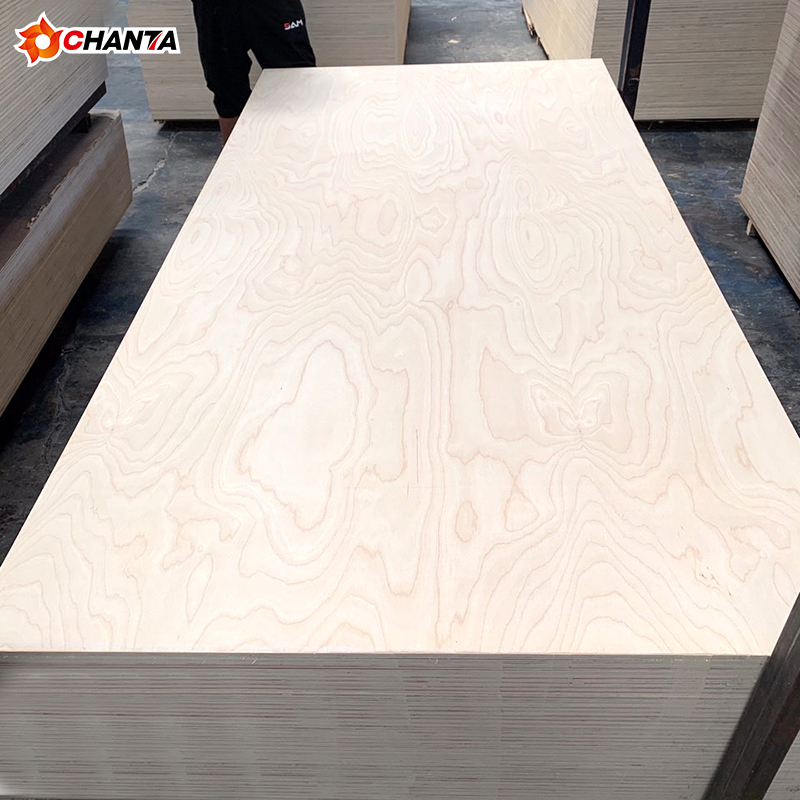
Commercial grade plywood consists of multiple layers of wood veneer bonded together with resin adhesive. Each veneer layer runs perpendicular to the next, which improves structural stability and load distribution. Manufacturers design commercial grade plywood mainly for interior furniture and general-purpose applications.
Furniture makers often choose this material because it offers good strength, reliable screw holding, and flexible finishing options at a reasonable cost.
What Is MDF?
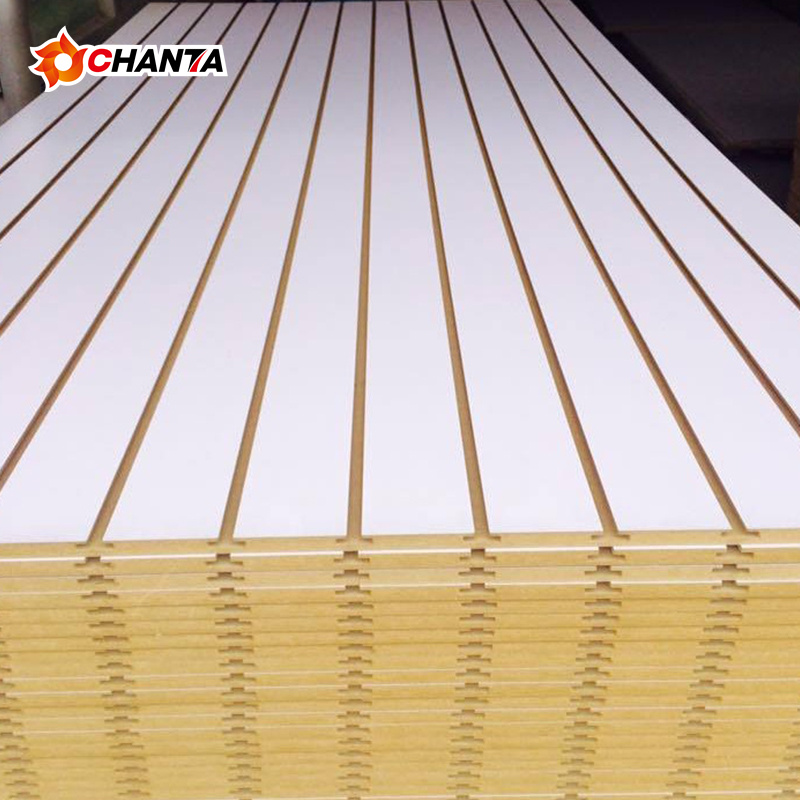
MDF, or medium-density fiberboard, uses wood fibers mixed with resin and compressed under high pressure. This process creates a smooth and uniform board with no visible grain or layers.
Manufacturers and designers value MDF for its smooth surface, which supports painting, laminating, and CNC cutting. However, MDF relies on density rather than layered structure for strength.
Structural Differences Between Commercial Grade Plywood and MDF
The internal structure of each board directly affects performance, durability, and suitable applications.
| Feature | Commercial Grade Plywood | MDF |
|---|---|---|
| Structure | Cross-laminated wood veneers | Compressed wood fibers |
| Edge Strength | Strong and stable | Weak, prone to chipping |
| Screw Holding | Good screw retention | Poor screw retention |
| Weight | Lighter | Heavier |
Commercial grade plywood distributes stress across multiple layers, while MDF depends on compressed fibers, which limits load-bearing performance.
Strength and Durability Comparison
Commercial grade plywood offers higher bending strength and impact resistance. The layered construction helps the board maintain shape under load and reduces the risk of cracking.
MDF provides uniform density, but it lacks structural reinforcement. Heavy loads or repeated stress can damage MDF more easily, especially at joints and fastener points.
Moisture Resistance and Environmental Performance
Commercial grade plywood tolerates moderate humidity and minor moisture exposure. The veneer layers resist swelling better than fiber-based boards.
MDF absorbs moisture quickly. Water exposure causes swelling, edge damage, and permanent deformation. Buyers should limit MDF use to dry indoor environments.
| Property | Commercial Grade Plywood | MDF |
|---|---|---|
| Moisture Resistance | Moderate | Low |
| Humidity Tolerance | Acceptable for interiors | Limited |
| Dimensional Stability | Good | Poor under moisture |
Surface Finish and Appearance
MDF provides a smooth and consistent surface, which works well for painted furniture and decorative panels. Designers often choose MDF for modern styles that require flawless finishes.
Commercial grade plywood supports laminates, veneers, and natural wood finishes. Buyers who want visible wood grain often prefer plywood for a more natural appearance.
Processing and Machining
Commercial grade plywood cuts cleanly and maintains edge strength during drilling and assembly. Standard woodworking tools handle plywood efficiently.
MDF machines easily and supports detailed CNC work. However, cutting MDF generates fine dust, which requires proper ventilation and protective equipment.
Common Applications: Where Each Material Works Best
Best Uses for Commercial Grade Plywood
- Wardrobes and storage cabinets
- Kitchen and office furniture carcasses
- Bookshelves and load-bearing panels
- Interior partitions
Best Uses for MDF
- Painted cabinet doors
- Decorative wall panels
- Furniture components with low load requirements
- CNC-cut design elements
Cost Comparison
MDF usually costs less than commercial grade plywood, especially in thinner panels. This price advantage makes MDF attractive for large-scale decorative projects.
Commercial grade plywood costs more but delivers better long-term durability. Buyers often find plywood more economical over the product lifecycle due to fewer repairs and replacements.
Which One Should Buyers Choose?
Buyers should choose commercial grade plywood when projects require strength, durability, and reliable fastener performance. Furniture intended for long-term use benefits from plywood construction.
Buyers should choose MDF when surface smoothness and decorative appearance matter more than structural strength. Painted furniture and design-focused interiors often use MDF successfully.
Conclusion
Commercial grade plywood and MDF each serve specific interior applications. Plywood offers better strength, moisture tolerance, and durability, while MDF provides smooth surfaces and cost efficiency for decorative uses. Buyers who understand these differences can select the right material and improve product quality and customer satisfaction.










1 Comment