
Table of contents
- What Is Commercial Plywood for Cabinets?
- Why Cabinet Manufacturers Choose Commercial Plywood
- Pros of Using Commercial Plywood for Cabinets
- Cons of Using Commercial Plywood for Cabinets
- Commercial Plywood vs Other Cabinet Materials
- Best Cabinet Applications for Commercial Plywood
- How Buyers Choose the Right Commercial Plywood for Cabinets
- Conclusion
Cabinet manufacturers and interior contractors often choose commercial plywood as a core material. This board offers a balance between strength, cost, and availability, which makes it popular for kitchen cabinets, wardrobes, and storage units.
However, commercial plywood does not suit every cabinet application. Buyers need to understand both its advantages and limitations before confirming material specifications. This guide explains the pros and cons of using commercial plywood for cabinets from a practical buyer’s perspective.
What Is Commercial Plywood for Cabinets?
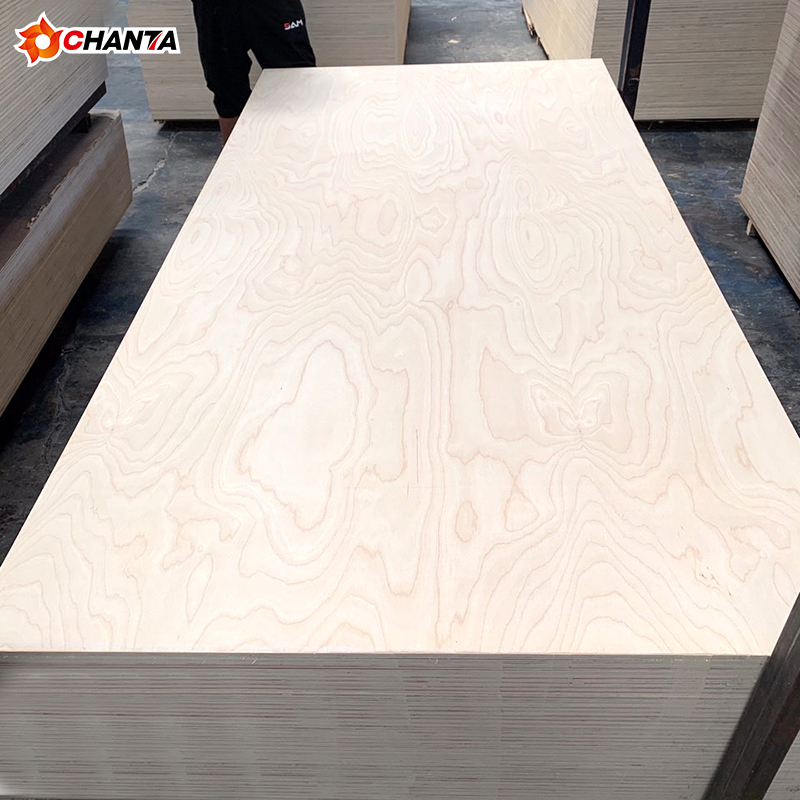
Commercial plywood for cabinets refers to interior-grade plywood designed for furniture carcasses and cabinet structures. Manufacturers produce it by bonding multiple layers of wood veneer with resin adhesive under heat and pressure. The cross-layered structure improves stability and strength compared to fiber-based boards.
Cabinet makers commonly use commercial plywood for cabinet boxes, side panels, shelves, and internal partitions. The board supports laminates, veneers, and edge banding, which allows flexible design and finishing options.
Why Cabinet Manufacturers Choose Commercial Plywood
Commercial plywood remains one of the most widely used cabinet materials in global furniture production. Several practical reasons drive this preference.
Stable Structure for Cabinet Carcasses
The layered veneer structure distributes load evenly across the panel. Cabinets built with commercial plywood maintain shape under daily use and reduce the risk of bending or cracking.
Reliable Screw Holding Performance
Cabinet construction requires strong screw holding at joints and hinges. Commercial plywood grips screws better than MDF or particle board, which improves long-term durability.
Wide Availability and Cost Control
Suppliers offer commercial plywood in standard sizes and thicknesses across most markets. This availability helps cabinet factories control costs and maintain consistent supply for large projects.
Pros of Using Commercial Plywood for Cabinets
Commercial plywood provides several advantages when used in cabinet manufacturing.
Good Strength-to-Weight Ratio
Commercial plywood delivers solid structural strength without excessive weight. Cabinet installers handle plywood cabinets more easily during transportation and installation.
Better Moisture Tolerance Than MDF
Commercial plywood resists minor humidity changes better than MDF. Kitchens and wardrobes benefit from this property, especially in regions with seasonal humidity.
Compatibility with Multiple Finishes
Cabinet makers apply laminates, natural veneers, PVC films, and paint finishes on commercial plywood. This flexibility supports both modern and traditional cabinet designs.
Longer Service Life
Cabinets made with commercial plywood generally last longer than those made with particle board or low-density fiberboard. The layered structure reduces internal damage over time.
Cons of Using Commercial Plywood for Cabinets
Despite its advantages, commercial plywood also presents limitations that buyers must consider.
Limited Water Resistance
Commercial plywood does not suit areas with constant water exposure. Prolonged contact with moisture can weaken glue lines and cause surface damage.
Higher Cost Than MDF or Particle Board
Commercial plywood costs more than MDF or particle board. Budget-focused projects may favor lower-cost alternatives when strength requirements remain minimal.
Surface Quality Variations
Lower-grade commercial plywood may show surface defects or inconsistent veneer appearance. Buyers should specify surface grade clearly to avoid finishing issues.
Commercial Plywood vs Other Cabinet Materials
Buyers often compare commercial plywood with MDF and particle board when selecting cabinet materials.
| Material | Strength | Moisture Resistance | Screw Holding | Cost Level |
|---|---|---|---|---|
| Commercial Plywood | Medium to High | Moderate | Good | Medium |
| MDF | Medium | Low | Poor | Low |
| Particle Board | Low | Low | Very Poor | Very Low |
Commercial plywood offers the best balance for cabinets that require durability and long-term performance.
Best Cabinet Applications for Commercial Plywood
Commercial plywood works best in specific cabinet components and environments.
- Kitchen cabinet carcasses
- Wardrobe bodies and side panels
- Office storage cabinets
- Bookshelves and built-in cabinets
For sink bases or areas with frequent water exposure, buyers should consider moisture-resistant or marine-grade plywood instead.
How Buyers Choose the Right Commercial Plywood for Cabinets
Professional buyers evaluate several factors before placing cabinet plywood orders.
- Cabinet application and environment
- Required thickness and load capacity
- Surface grade and veneer quality
- Glue type and emission standards
- Supplier quality consistency
Clear specifications and supplier transparency help cabinet manufacturers avoid quality disputes and production delays.
Conclusion
Commercial plywood serves as a reliable material for cabinet manufacturing when used in the right applications. It offers good strength, moisture tolerance, and long-term durability. Buyers who understand its pros and cons can make informed decisions and achieve better cabinet performance and customer satisfaction.











1 Comment