
Table of contents
- Understanding MDF Wholesale Buying
- Key MDF Specifications Importers Must Define Clearly
- Choosing the Right MDF Supplier
- Pricing Structure in MDF Wholesale Orders
- Sampling, Testing, and Pre-Shipment Control
- Logistics and Shipping Considerations
- Common Mistakes MDF Importers Make
- Buyer Recommendation for MDF Wholesale Importing
Importing MDF at wholesale level requires more than comparing prices. Many importers face issues such as inconsistent quality, unclear specifications, hidden costs, and shipment delays. These problems often come from incomplete supplier evaluation and unclear purchase requirements.
This MDF wholesale guide explains how importers evaluate suppliers, specify products correctly, control risk, and manage total landed cost when sourcing MDF in bulk.
Understanding MDF Wholesale Buying
MDF wholesale purchasing usually involves large volumes, repeated orders, and long-term supplier relationships. Importers must balance cost, quality stability, compliance, and delivery reliability.
How Wholesale MDF Differs from Retail MDF
- Larger order volumes and container shipments
- Greater emphasis on consistency rather than single-sheet quality
- Higher impact of small specification differences
Common Challenges Importers Face
- Unstable density or thickness across batches
- Mismatch between samples and bulk orders
- Unclear emission or certification standards
- Unexpected logistics or port charges
Key MDF Specifications Importers Must Define Clearly
Many MDF disputes begin with unclear specifications. Importers should define every key parameter before confirming orders.
Thickness and Tolerance
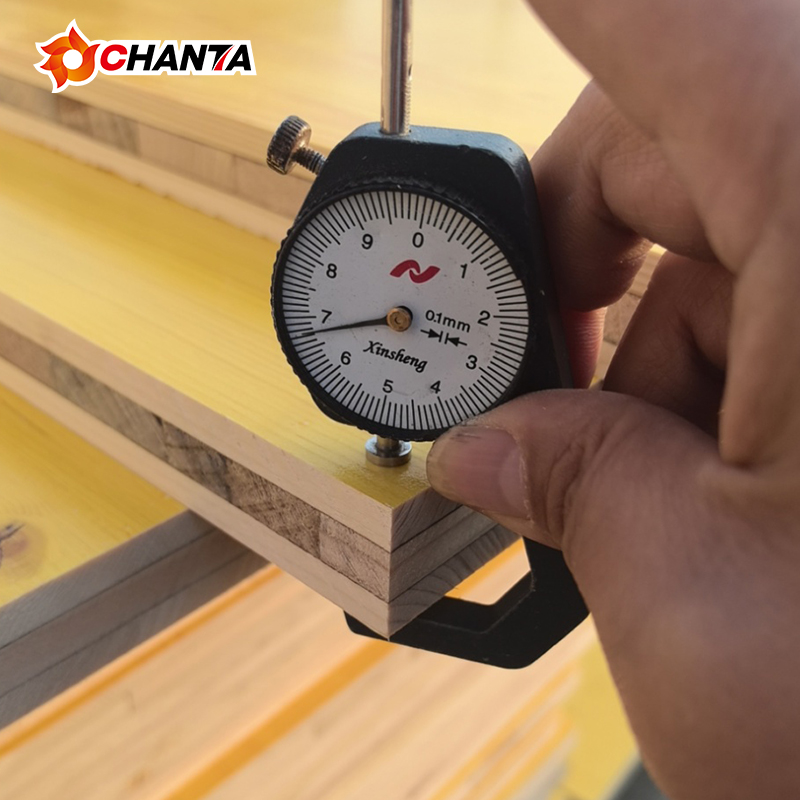
Specify nominal thickness and acceptable tolerance. Thickness variation affects furniture fit and CNC processing.
Density Range
Density influences strength, weight, and screw holding. Importers should define a target density range rather than a single number.
Emission Grade
Define emission requirements such as E1 or E0 based on target market regulations.
Surface Quality
Clarify sanding level, smoothness, and suitability for painting or lamination.
Board Size and Packaging
Confirm standard sizes, pallet method, and protection during transport.
Choosing the Right MDF Supplier
Supplier selection determines long-term success more than short-term pricing.
Manufacturer vs Trading Company
Manufacturers offer better production control and consistency, while trading companies may provide flexibility and mixed sourcing options.
What to Check Before Confirming a Supplier
Factory Capabilities
- Production capacity and equipment level
- Quality control systems
- Experience with export markets
Quality Documentation
- Density and thickness test reports
- Emission test certificates
- Past export references
Pricing Structure in MDF Wholesale Orders
MDF wholesale pricing includes more than board cost.
Main Cost Components
- Raw material and resin cost
- Board thickness and density
- Emission grade requirements
- Packaging and pallet method
- Shipping and logistics
Why the Cheapest Price Often Costs More
Low-priced MDF often leads to quality claims, rejections, or customer complaints. Importers should evaluate total landed cost rather than ex-factory price.
Sampling, Testing, and Pre-Shipment Control
Wholesale MDF orders require proper quality verification before shipment.
Sample Approval Process
- Confirm density, thickness, and surface quality
- Test machining and finishing performance
- Record approved sample specifications
Pre-Shipment Inspection
- Check batch consistency
- Verify packaging and labeling
- Confirm container loading condition
Logistics and Shipping Considerations
MDF is heavy and sensitive to moisture during transport.
Container Loading and Protection
- Use moisture barriers when necessary
- Ensure stable pallet stacking
- Avoid direct contact with container walls
Port and Destination Handling
Importers should plan for proper unloading and storage to prevent moisture exposure.
Common Mistakes MDF Importers Make
- Buying based on price alone
- Ignoring density and tolerance variation
- Failing to define emission standards clearly
- Skipping pre-shipment inspection
Buyer Recommendation for MDF Wholesale Importing
Best Practices for Importers
- Define specifications clearly in contracts
- Build long-term supplier relationships
- Use consistent quality checks
Risk Control Strategy
Many successful importers source MDF from stable suppliers and adjust specifications rather than chasing the lowest price.
Conclusion
MDF wholesale importing requires clear specifications, reliable suppliers, and strong quality control. Importers who understand MDF parameters, supplier capabilities, and logistics risks can reduce disputes and build sustainable sourcing operations.










1 Comment