Table of contents
- Why Thickness Matters When Buying Plywood
- Understanding Standard Plywood Thickness
- How to Use a Plywood Thickness Chart Effectively
- Applications Based on Plywood Thickness
- Factors That Influence Thickness Choices
- Plywood Thickness and International Buyers
- Why Our Platform Provides the Best Thickness Guide
- Conclusion: Make Better Buying Decisions with the Right Chart
- Contact Us to Explore More
If you plan to work with plywood for construction, furniture, or home improvement, you will quickly realize that thickness matters. Many buyers search for a plywood thickness chart to understand the standard sizes available in the market. Choosing the wrong thickness can lead to wasted money, weak structures, or even safety issues. In this guide, we will walk through the common plywood thickness options, practical applications, and how to read a thickness chart the right way. By the end, you will feel more confident in selecting the correct plywood sheet size for your project.
Why Thickness Matters When Buying Plywood
Plywood is not a one-size-fits-all material. Each project demands specific properties, and thickness directly influences strength, weight, and cost. For example, thin plywood sheets may work well for decorative panels, but they fail under heavy loads. On the other hand, thicker panels increase durability but also raise costs. Therefore, understanding a plywood thickness guide helps buyers make informed decisions without guesswork.
Understanding Standard Plywood Thickness
Globally, plywood comes in a variety of standard dimensions. Although regional markets may offer slight variations, most manufacturers follow widely accepted industry standards. Below is an overview of common options included in most plywood thickness charts:
- 3mm – 6mm: Extremely thin, often used for paneling, crafts, or lightweight partitions.
- 9mm – 12mm: Medium thickness, suitable for furniture backs, wall linings, and temporary partitions.
- 15mm – 18mm: Popular for furniture making, cabinetry, flooring bases, and structural use.
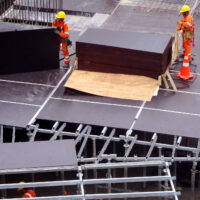
- 21mm – 25mm: Heavy-duty applications such as stage platforms, truck flooring, and industrial projects.
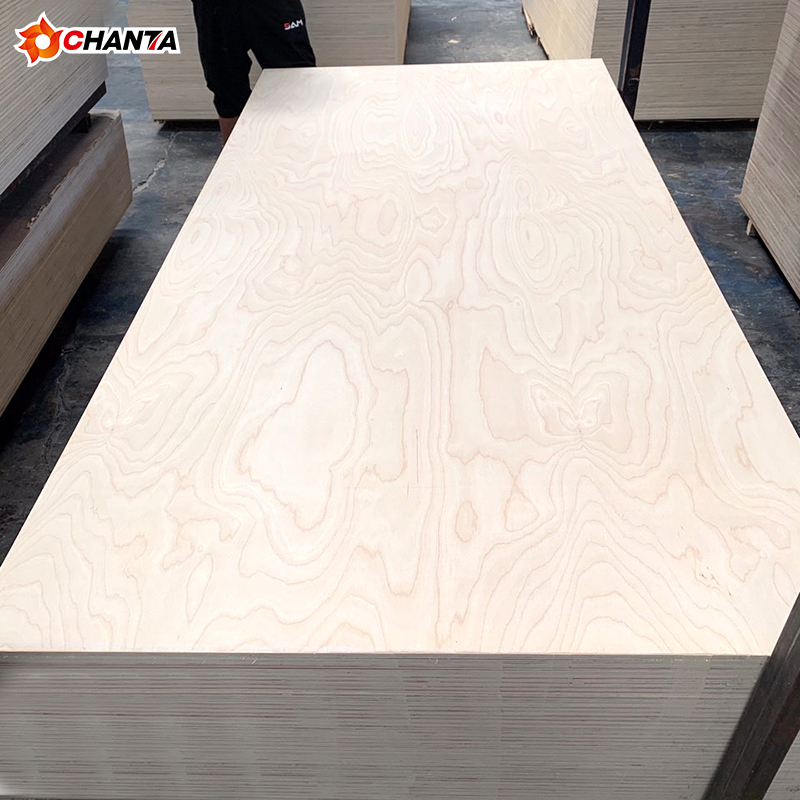
In addition to thickness, buyers should also pay attention to plywood sheet sizes. The most common size worldwide is 4×8 feet (1220mm x 2440mm). However, customized sizes are also available for bulk orders.
How to Use a Plywood Thickness Chart Effectively
Step 1: Match Thickness to Application
Before purchasing, always define the end-use. For example, kitchen cabinets often require 18mm plywood, while wall paneling may only need 9mm sheets. A reliable plywood thickness chart makes this comparison easy.
Step 2: Consider Structural Load
Heavier loads demand thicker plywood. In construction, 18mm or 21mm boards are common because they provide stability. In contrast, 6mm panels will bend or break under pressure. Therefore, thickness selection should align with weight expectations.
Step 3: Factor in Cost
Thicker plywood sheets naturally cost more. By comparing sizes in a plywood thickness guide, you can balance budget with performance. For bulk projects, requesting a complete price list by thickness helps avoid overspending.
Step 4: Review Supplier Specifications
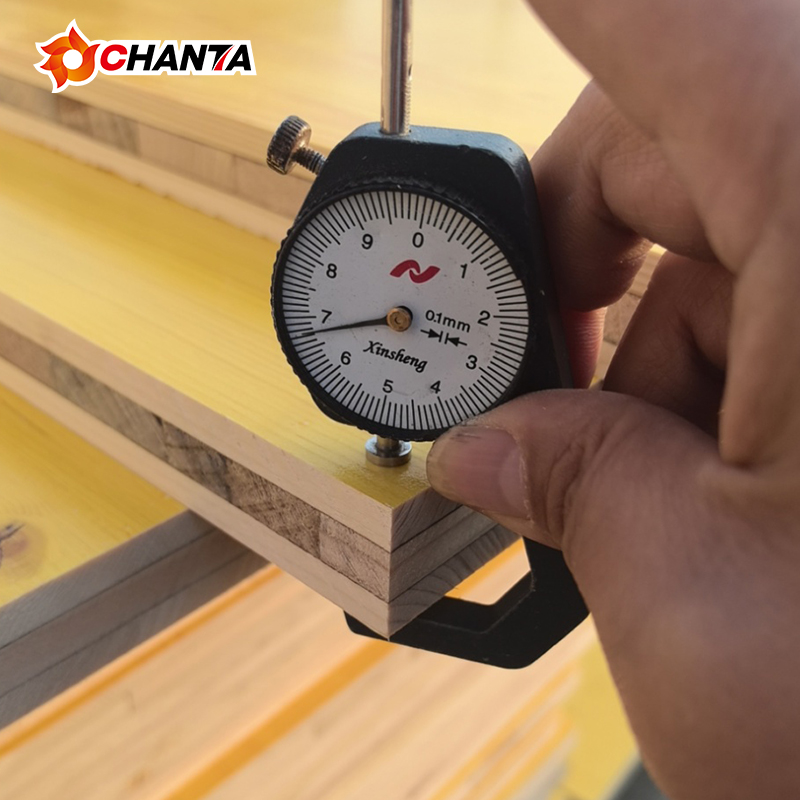
Not all suppliers offer the same tolerances. Some 18mm boards may actually measure 17mm due to manufacturing standards. For this reason, always check the detailed plywood standard dimensions provided by your manufacturer before placing bulk orders.
Applications Based on Plywood Thickness
- 3-6mm: Drawer bottoms, decorative veneers, craft projects.
- 9-12mm: Wall paneling, partitions, lightweight furniture.
- 15-18mm: Cabinets, wardrobes, bookshelves, flooring base.
- 21-25mm: Heavy construction, industrial crates, truck flooring.
Factors That Influence Thickness Choices
Several factors influence which thickness you should select. Beyond strength and cost, buyers must consider moisture resistance, fire resistance, and surface finishing. For example, marine plywood typically comes in thicker panels to withstand moisture, while commercial plywood often uses medium thicknesses for furniture and interiors. Moreover, laminated plywood panels may require different thicknesses depending on the surface finish being applied.
Plywood Thickness and International Buyers
Global buyers, especially those importing from China, often request a detailed plywood thickness chart from their supplier. This transparency helps avoid confusion about measurement units, since some markets list sizes in millimeters while others use inches. Furthermore, importers need to check whether thickness tolerances comply with local building codes and certification requirements, such as CARB Phase II, FSC, or BS1088 for marine-grade products.
Why Our Platform Provides the Best Thickness Guide
Finding accurate information online can feel overwhelming. Many charts are incomplete, outdated, or inconsistent. That is why our website provides a clear and reliable plywood thickness chart, along with practical buying advice. We not only list standard plywood dimensions but also explain how to apply them in real-world projects. In addition, we connect buyers directly with certified manufacturers who guarantee consistency across shipments.
Conclusion: Make Better Buying Decisions with the Right Chart
A plywood thickness chart is more than a reference table—it is a decision-making tool. By comparing sizes, understanding applications, and evaluating costs, buyers can choose the correct plywood sheet size for every project. Moreover, relying on an accurate guide prevents costly mistakes and ensures that your structures, furniture, or designs perform as expected.
Contact Us to Explore More
If you want to browse a complete plywood thickness guide with detailed specifications and price comparisons, our website is the right place to start. We update our charts regularly, provide expert recommendations, and connect you with top-rated suppliers. Call to action: Visit our plywood section today, explore the full range of sheet sizes, and send us your inquiry for a customized quotation. Let our experts help you select the ideal plywood thickness for your next project.