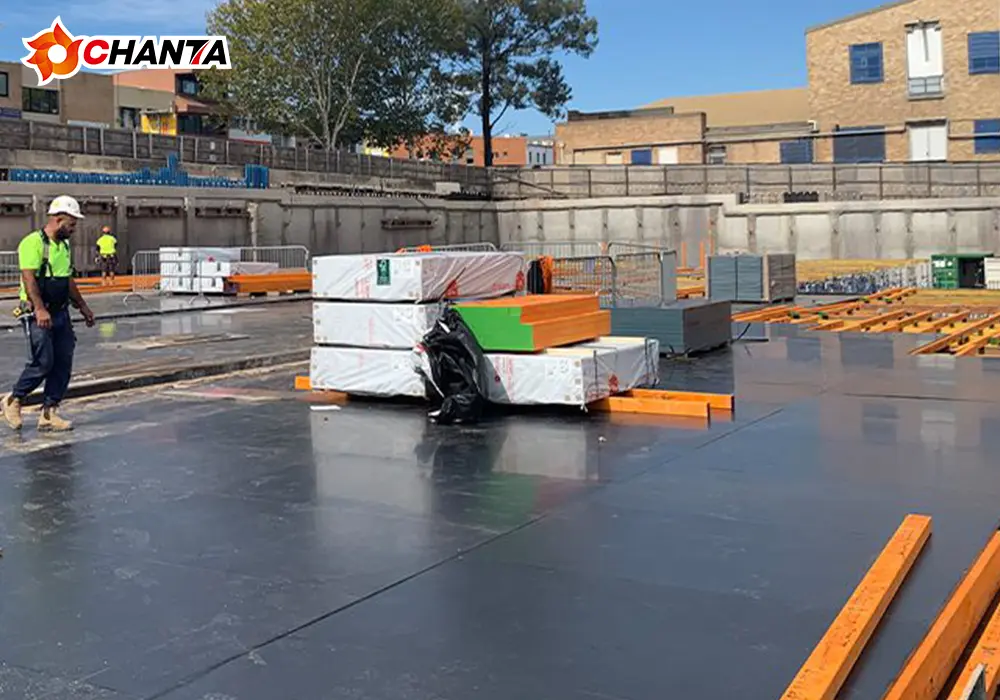
How to Identify High Quality Film Faced Plywood
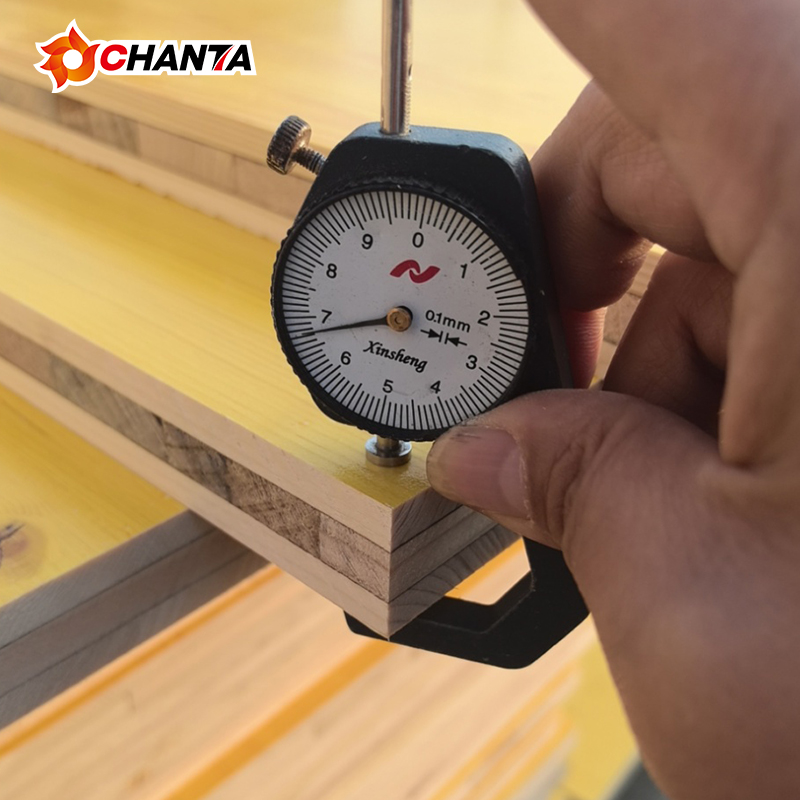
Film faced plywood is widely used in concrete formwork because of its durability, moisture resistance, and ability to deliver smooth concrete surfaces. However, the quality of film faced plywood varies greatly across manufacturers and markets. Two panels that look similar on the surface may perform very differently on construction sites.…

Why Film Faced Plywood Fails After Only a Few Uses
Film faced plywood is designed for repeated use in concrete formwork. Many suppliers advertise reuse cycles ranging from 10 to 20 times or even more. However, contractors often encounter situations where panels begin to fail after only a few uses. This creates frustration on job sites and raises questions about…

How Many Times Can Film Faced Plywood Be Reused?
One of the most important questions contractors, developers, and importers ask before purchasing formwork panels is simple: how many times can film faced plywood be reused? The answer directly affects budgeting, cost control, and project efficiency. In large construction projects, even a small difference in reuse cycles can significantly change…

Black Film Faced vs Brown Film Faced Plywood: What’s the Real Difference?
Black film faced plywood and brown film faced plywood are widely used in concrete formwork. Many buyers assume that color indicates quality level, durability, or reuse performance. In reality, the difference between black and brown film faced plywood goes beyond appearance but does not automatically determine overall performance. Understanding what…
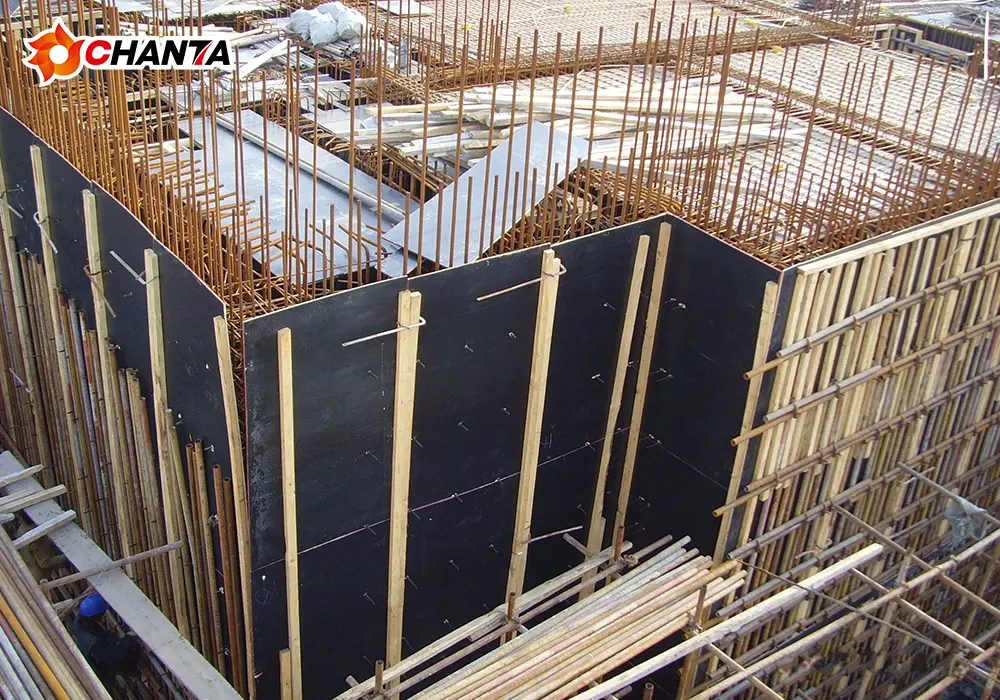
How Many Times Can Film Faced Plywood Be Reused?
One of the most common questions contractors and importers ask is: how many times can film faced plywood be reused? The answer directly affects project cost per square meter and overall material efficiency. Film faced plywood is designed for concrete formwork and repeated use, but the actual reuse times depend…
What Does “Film Faced” Mean in Plywood?
The term “film faced plywood” appears frequently in construction projects, formwork specifications, and plywood quotations. Many buyers understand that film faced plywood works well for concrete formwork, but fewer understand what “film faced” actually means and why it changes plywood performance. In plywood, “film faced” refers to a protective surface…
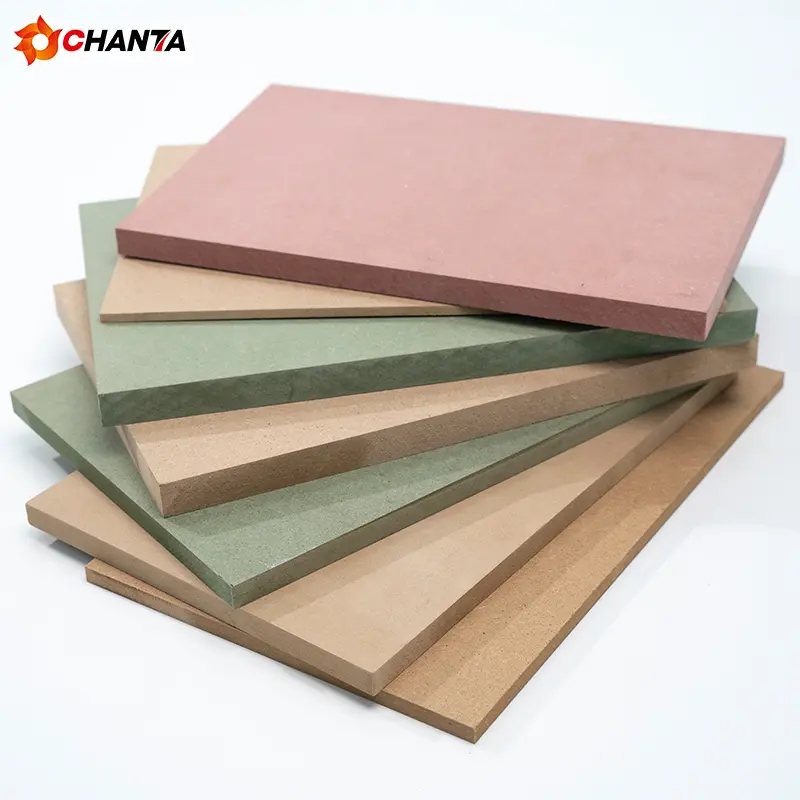
MDF Wholesale MOQ and Container Loading Guide
MOQ and container loading directly affect cost, delivery efficiency, and sourcing flexibility when importing MDF at wholesale level. Many importers focus on board price but overlook how minimum order quantities and loading methods impact total landed cost. This guide explains how MDF wholesale MOQ works, how different container loading methods…

MDF Manufacturer vs Trader: What Importers Should Know
When importing MDF in bulk, one of the first decisions importers face is whether to work with a manufacturer or a trading company. Many sourcing problems—quality inconsistency, delivery delays, or unclear responsibility—do not come from MDF itself, but from choosing the wrong type of supplier. This article explains the real…
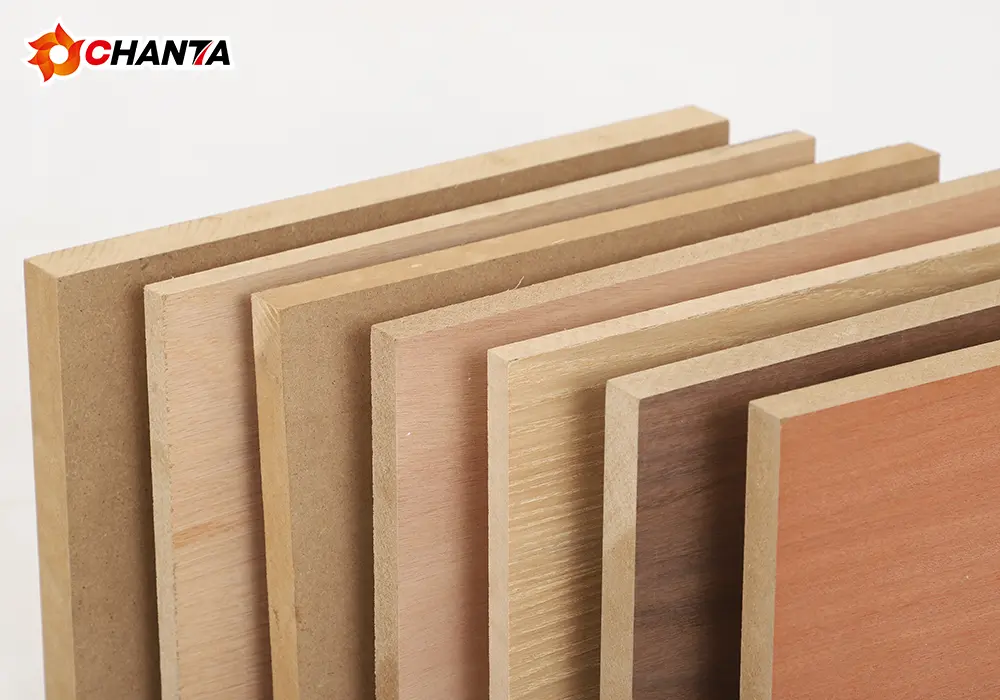
MDF Wholesale Guide for Importers
Importing MDF at wholesale level requires more than comparing prices. Many importers face issues such as inconsistent quality, unclear specifications, hidden costs, and shipment delays. These problems often come from incomplete supplier evaluation and unclear purchase requirements. This MDF wholesale guide explains how importers evaluate suppliers, specify products correctly, control…