
Table of contents
Many buyers ask the same question before choosing MDF for furniture projects. Is MDF actually strong enough for long-term use, or does it only work for low-cost furniture?
The answer depends on how you use the board. In some applications, MDF board performs very well. In other situations, buyers may need stronger materials like plywood.
This is where many furniture decisions become confusing. Some buyers focus only on density, while others only compare price. In real production, furniture structure matters much more.
What Gives MDF Its Strength
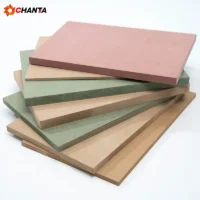
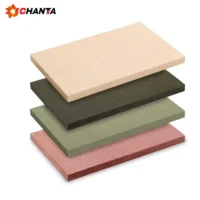
MDF uses compressed wood fibers and resin to create a dense panel structure. Unlike natural wood, the board does not contain grain direction or knots. This helps create a more uniform internal structure.
The manufacturing process also affects strength. Higher density and better resin distribution usually improve performance. This is why board quality varies between suppliers.
Density Plays a Major Role
Higher density MDF usually feels more solid during machining and assembly. The board also handles surface pressure more effectively.
However, extremely high density also increases weight. In large furniture production, buyers often balance strength and handling efficiency together.
Fiber Quality Matters Too
Good fiber processing improves internal bonding. Low-quality fibers create weak spots inside the board.
Experienced manufacturers like CHANTA MDF supplier focus heavily on fiber consistency because small production changes affect final board performance.
How MDF Performs in Real Furniture Applications
In real use, MDF furniture panels perform well in many indoor environments. The board handles daily household use without major problems when buyers choose the right thickness and design.
However, MDF does not behave the same way in every application. Some furniture structures place much higher stress on the board.
| Application | MDF Performance |
|---|---|
| Wardrobes | Good |
| Cabinet doors | Good |
| Heavy shelving | Moderate |
| Load-bearing frames | Limited |
| Decorative panels | Very good |
This is why many factories combine MDF with plywood or solid wood in the same furniture product.
Where MDF Performs Very Well
MDF for furniture works especially well in indoor decorative applications. The smooth surface creates excellent finishing results, which makes MDF popular in modern furniture production.
Many cabinet and wardrobe factories prefer MDF because machining stays simple and consistent.
Painted Furniture
MDF creates smooth painted surfaces with less preparation work. The board also reduces visible texture problems after coating.
For modern painted furniture, MDF often becomes the preferred choice.
Cabinet Doors and Decorative Panels
Cabinet doors usually do not carry heavy structural load. This allows MDF to perform reliably for long periods.
The consistent surface also improves laminating and decorative finishing quality.
Where MDF Starts to Struggle
Some buyers expect MDF to perform like plywood in every situation. This usually leads to problems later.
MDF handles surface pressure well, but the board performs less effectively under heavy structural stress.
Long Shelves with Heavy Weight
Long MDF shelves may bend over time if they carry too much weight. Thicker boards help reduce this issue, but proper support still matters.
In real projects, unsupported spans often create furniture complaints later.
Repeated Screw Removal
MDF handles screws reasonably well during normal assembly. However, repeated screw removal weakens the internal fibers.
This becomes more noticeable in low-density boards.
MDF vs Plywood for Strength
Buyers often compare MDF vs plywood when evaluating furniture durability. Both materials offer advantages, but they behave differently under load.
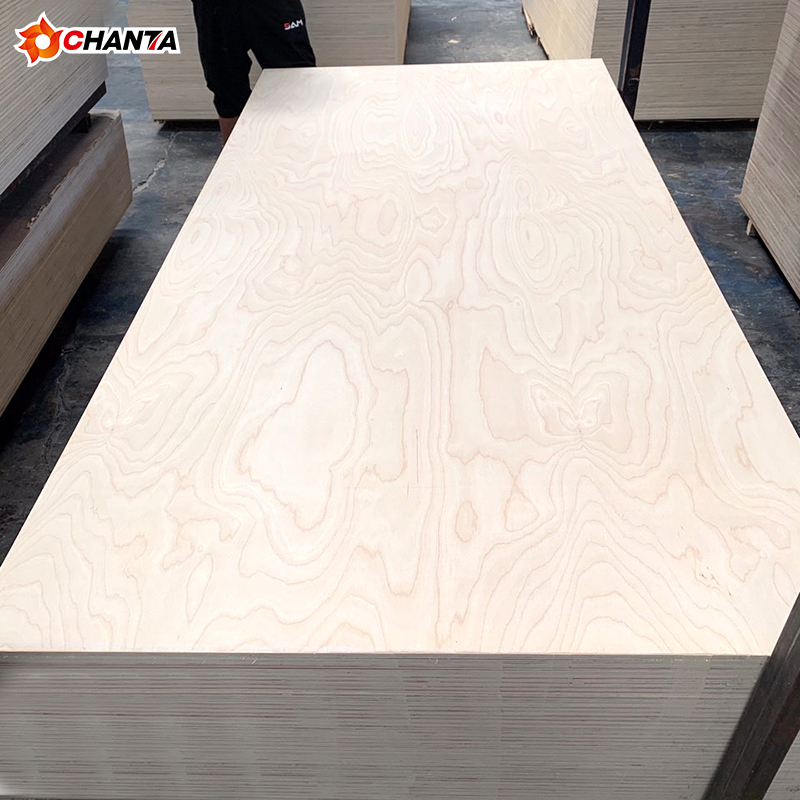
Plywood uses cross-layer wood veneers, which improves structural strength. MDF focuses more on surface consistency and decorative performance.
| Feature | MDF | Plywood |
|---|---|---|
| Surface Smoothness | Better | Moderate |
| Structural Strength | Moderate | Higher |
| Machining | Easier | Moderate |
| Paint Finish | Better | Moderate |
This is why many furniture factories use MDF for visible surfaces and plywood for structural support.
Moisture Also Affects Strength
Moisture changes how MDF performs over time. Buyers sometimes overlook this factor during material selection.
Once MDF absorbs moisture, the board begins to swell and weaken. Edge areas usually show problems first.
For kitchens or humid environments, buyers should consider moisture-resistant MDF or alternative materials.
Why Manufacturing Quality Changes Everything
Not all MDF boards perform equally. Production quality strongly affects density consistency, bonding strength, and machining stability.
Low-quality boards may chip, crack, or deform more easily during furniture production. Higher-quality MDF usually provides cleaner cutting and better long-term stability.
At CHANTA, production teams focus on stable density control and consistent fiber distribution. This helps reduce quality variation between shipments and improves furniture production efficiency.
How Buyers Choose the Right MDF Strength
Choosing the correct MDF depends on furniture design, load requirements, and finishing needs. Buyers should evaluate the full application instead of focusing only on board thickness.
For decorative furniture and painted surfaces, MDF often provides excellent value. For heavy structural applications, plywood may become the better choice.
In many real projects, combining both materials creates the best overall result.
Conclusion
MDF for furniture provides enough strength for many indoor applications when buyers choose the right specifications and structure. The board performs especially well in decorative furniture, cabinet doors, and painted panels.
However, MDF does not replace plywood in heavy structural applications. Understanding where MDF works best helps buyers avoid long-term problems and production issues.
Smart buyers usually compare both performance and application before making final material decisions.








1 Comment