Choosing between pine wood and plywood can feel challenging. Each material offers unique benefits for specific projects. Understanding their differences helps you select the right option for your needs.
What is Pine Wood?
Pine wood comes from natural pine trees. It is solid, durable, and widely used in furniture making. It features a distinct grain pattern, giving it a natural aesthetic appeal.
This wood type is lightweight yet sturdy, making it easy to work with. It holds up well against everyday wear and tear, but untreated pine can be prone to moisture damage.
What is Plywood?
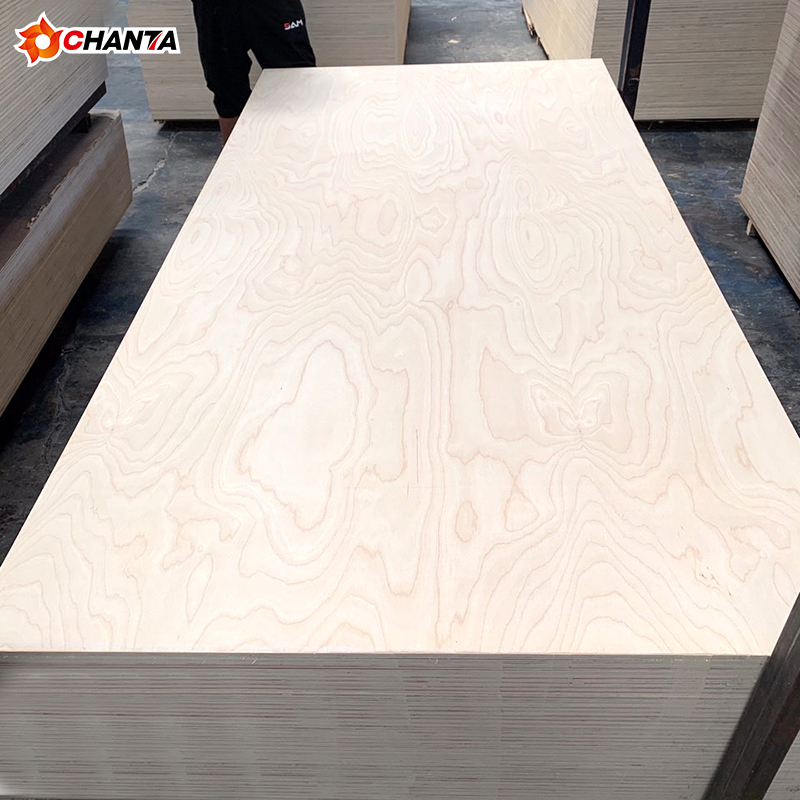
Plywood consists of thin sheets of wood veneer glued together. These layers are pressed with the grain at alternating angles. This design creates a strong, stable, and versatile material.
Plywood is available in various grades and thicknesses. Lower grades work well for construction, while higher grades are ideal for furniture. Its engineered nature resists warping better than solid wood.
Key Differences Between Pine Wood and Plywood
Composition: it is a natural, solid material, while plywood is engineered from wood veneers.
Strength: it offers better durability for heavy-duty projects, whereas plywood handles moderate loads effectively.
Flexibility: Plywood’s layered structure makes it less prone to cracking under pressure. it may split more easily.
Cost: Pine wood is often more expensive due to its natural origin. Plywood is usually a budget-friendly alternative.
Appearance: Pine wood has a more natural, classic look. Plywood can mimic wood aesthetics with veneers but lacks true grain.
Pine Plywood vs. Other Common Types of Plywood
Not all plywood is created equal—different wood species and core constructions result in different performance, aesthetics, and pricing. Here’s a brief comparison between pine plywood and other popular types of plywood:
| Plywood Type | Wood Species | Key Features | Typical Applications |
|---|---|---|---|
| Pine Plywood | Softwood (Pine) | Lightweight, affordable, easy to cut and work with | Furniture framing, packaging, DIY projects |
| Birch Plywood | Hardwood (Birch) | Strong, dense, smooth surface, great for painting/veneering | Cabinetry, shelving, high-end furniture |
| Okoume Plywood | Tropical hardwood (Okoume) | Lightweight with a smooth grain, good for marine or decorative uses | Boat building, furniture, paneling |
| Poplar Plywood | Hardwood (Poplar) | Stable, light color, relatively soft and lightweight | Interior furniture, lightweight structures |
| Film Faced Plywood | Mixed hardwood or poplar core | Covered with a waterproof film, highly durable and reusable | Concrete formwork, construction |
Pine plywood is often favored for cost-effective applications where strength demands are moderate.
Birch and Okoume plywood, on the other hand, are selected for their higher strength or better finishing quality.
Applications of Pine Wood and Plywood
Pine Wood Applications
It is perfect for furniture, flooring, and cabinetry. Its elegant grain adds character to decorative pieces. Builders also use it for doors, window frames, and structural beams.
Plywood Applications
Plywood works well in construction, such as wall sheathing, subfloors, and roofing. It is also popular in lightweight furniture and DIY projects. High-grade plywood offers a polished look for cabinets and shelves.
Choosing the Right Material
Consider your project’s requirements when choosing between it and plywood. Use It for durability, natural aesthetics, and classic furniture designs. Choose plywood for versatility, cost-effectiveness, and resistance to warping.
Conclusion
It and plywood both have their strengths. it excels in aesthetics and durability, while plywood offers affordability and flexibility. By evaluating your project needs, you can make the best choice for a successful outcome.